






















When replacing a diesel bulldozer with a pure electric one, buyers most often ask: is the battery enough for a full shift? There is no universal answer, because it depends on battery capacity, shift length, dozing conditions, and on-site charging arrangements. Based on verified data for a 272 HP pure electric medium bulldozer, this article explains under what conditions full-shift operation can be considered and which conditions must be confirmed first.
Answering the core question: is full-shift operation feasible?
According to verified data, this model is equipped with a 614.2V, 690Ah lithium iron phosphate battery pack with a capacity of 423.94 kWh; the drive motor is a 200 kW (272 HP) permanent magnet synchronous motor; the battery interface supports 2×300 kW, DC fast charging is 2×250A, and DC discharge is 2×400 kW. These figures show that it has the hardware foundation of a large-capacity battery and dual fast charging, but the data does not provide runtime, energy consumption per unit time, or charging time, so it is impossible to directly calculate whether one shift is sufficient.
In other words, whether it can last a full shift requires calculating battery capacity together with the energy consumption rate under specific working conditions. Before purchase, buyers should request energy consumption references for the corresponding conditions from the supplier based on actual work cycles, dozing distance, material density, and shift length, or arrange an on-site trial to record battery level changes. Without such data, only a conditional assessment can be made, and full-shift operation without charging cannot be promised.
What battery capacity does and does not tell you
423.94 kWh is an absolute quantity useful for comparison: at the same energy consumption rate, the larger the capacity, the longer the continuous operating time. However, the energy consumption rate varies with dozing resistance, travel proportion, hydraulic load, and ambient temperature. The data mentions that the vehicle uses a battery thermal management system, including an 8 kW compressor cooling unit, liquid-cooled plate-fin radiators, and a 400W PWM water pump, to keep the battery and motor within an appropriate temperature range; this indicates that usable capacity at extreme temperatures is affected by thermal management, but the data does not provide capacity retention rates at high or low temperatures.
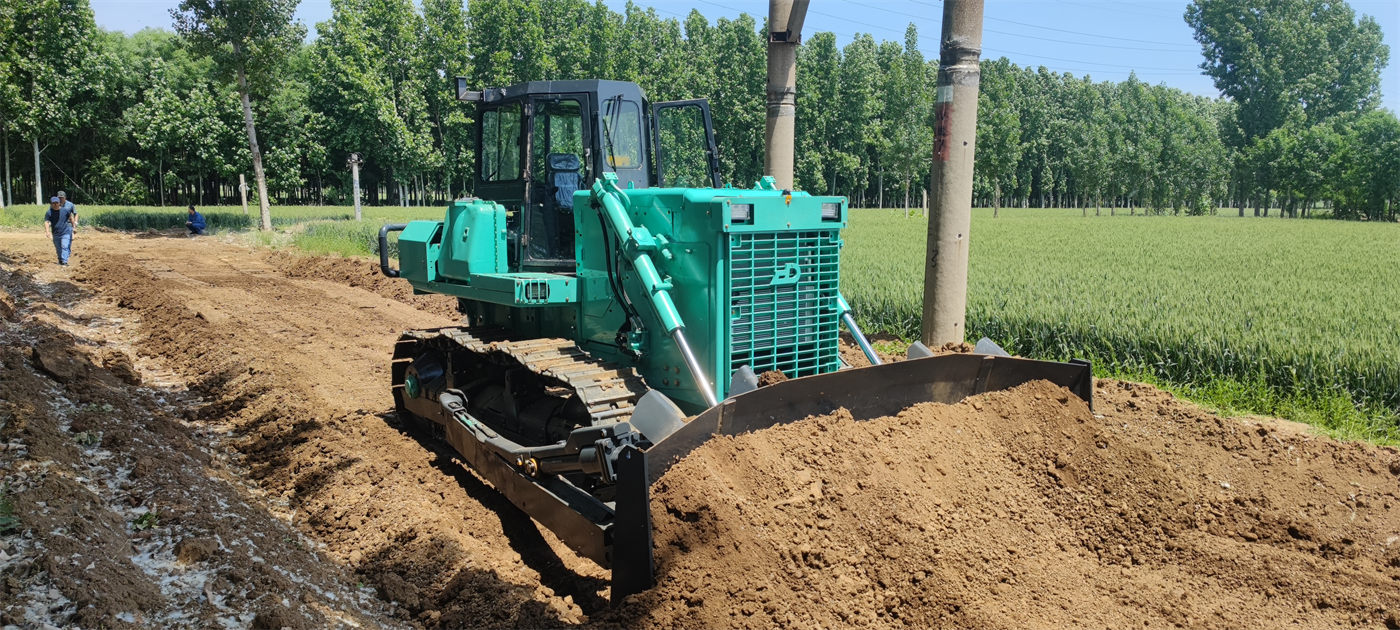
Therefore, battery capacity can only answer "how much energy is available," not "whether one shift is enough" on its own. Actual judgment also requires operating intensity data, which is currently missing from the available information and remains to be confirmed.
Charging conditions determine how shifts are organized
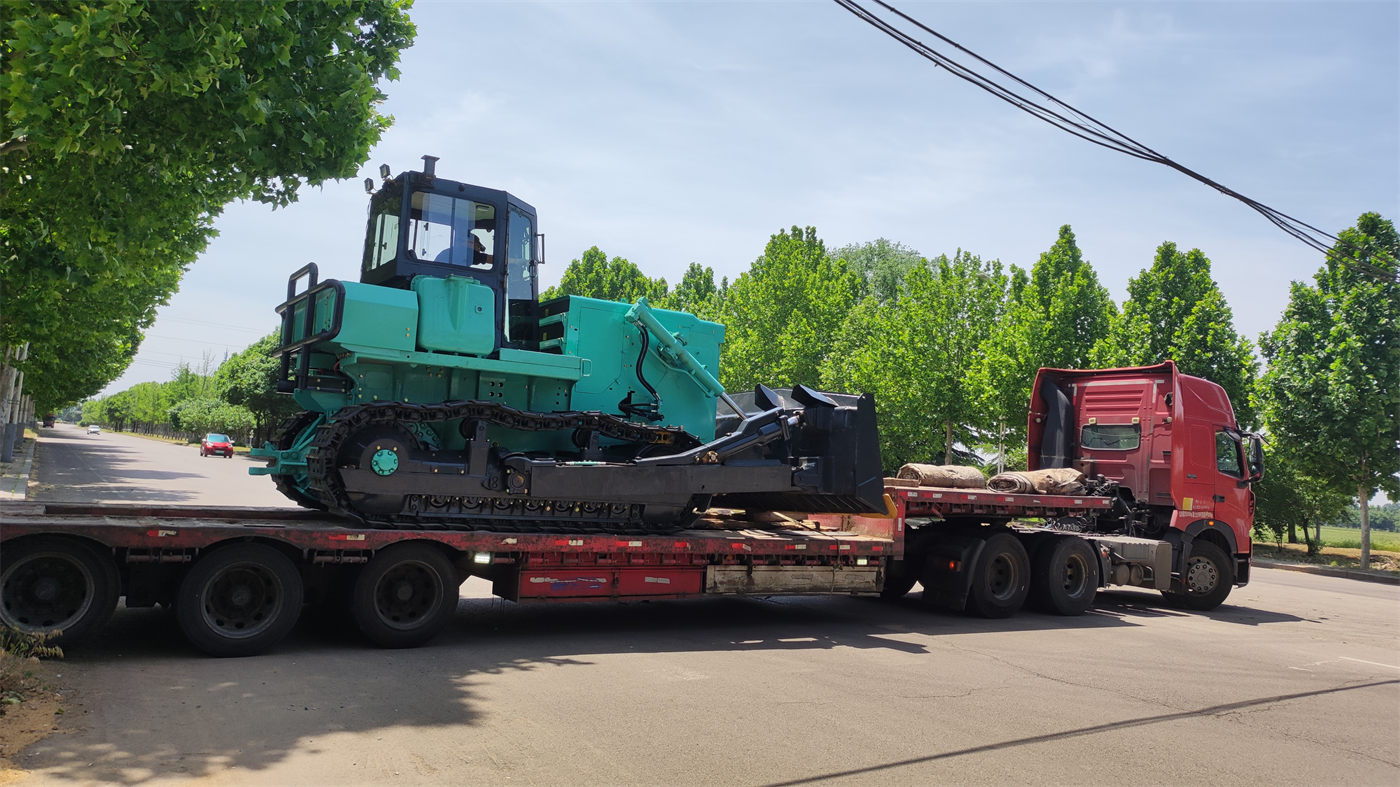
If the energy consumption of a single shift approaches or exceeds the usable battery capacity, continuous full-shift operation will require mid-shift charging, or shift-change charging and alternating between two machines. This model supports 2×250A DC fast charging and is equipped with 2×300 kW battery interfaces, meaning that if the site has DC charging facilities of the corresponding power, the battery can be recharged during downtime. However, the data does not provide the time required to charge from one level to another, nor does it specify the requirements for charging facilities, so these must be verified with the supplier before purchase.
On-site power supply is another prerequisite. The fast-charging interface has a relatively high power level, and the site's distribution capacity, cable specifications, and connection location all affect whether it can actually be used. The data does not cover charging station configuration or grid connection plans, which need to be confirmed jointly with the supplier and the on-site electrical responsible party.
How operating scenarios correspond to shift arrangements
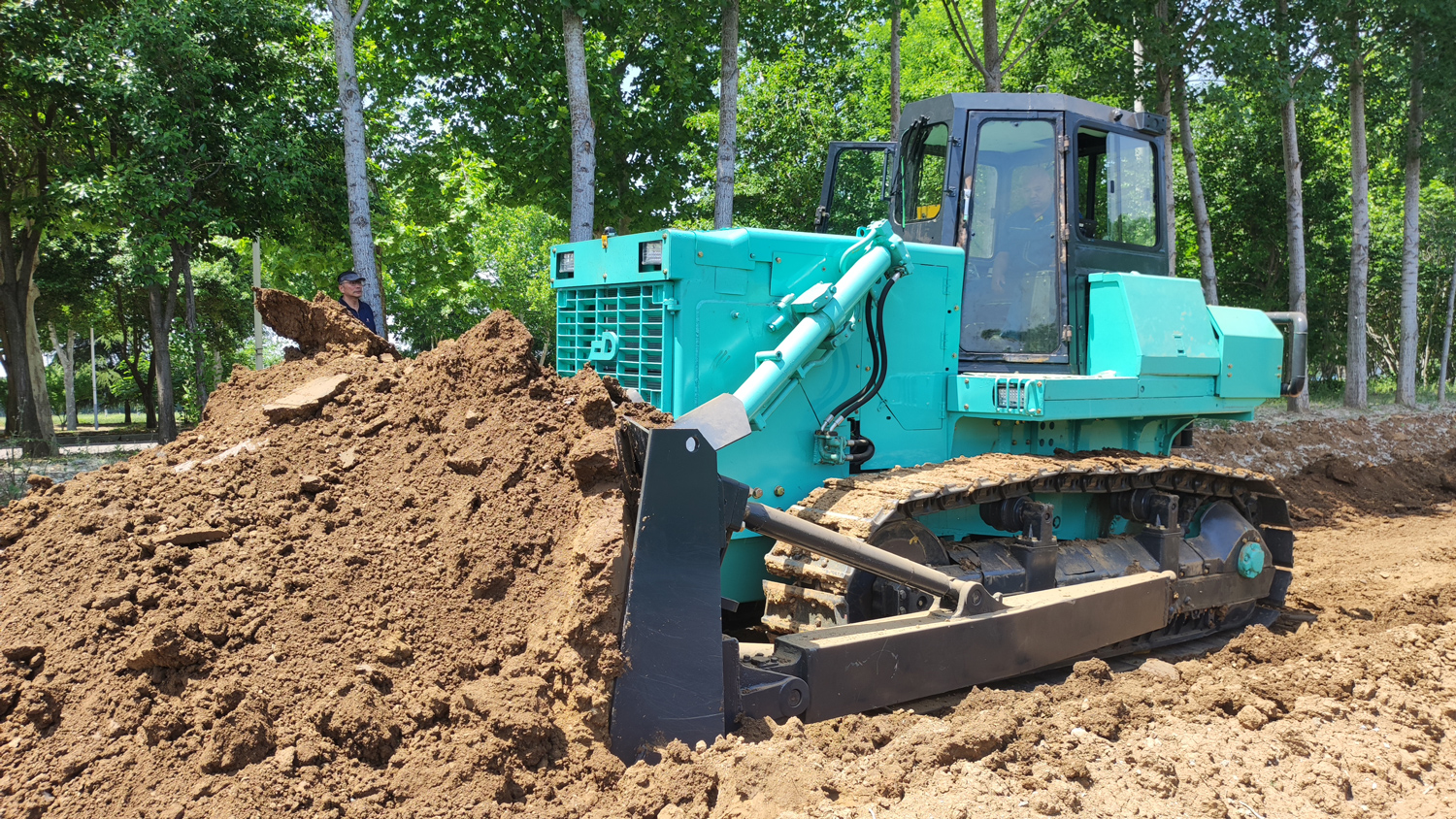
The data positions this model for urban municipal construction, environmental engineering, green mining operations, and low-noise demolition projects, and mentions zero tailpipe emissions and lower operating noise. These features are relevant to enclosed sites or sites with high environmental requirements, but they do not mean that all scenarios can support continuous full-shift dozing.
When arranging shifts, the conditions can be reviewed in the following order:
- Work cycle: single dozing distance, material type, and return frequency determine energy consumption intensity per unit time;
- Shift structure: continuous operating duration and mid-shift downtime determine whether mid-shift charging is needed;
- Charging method: whether DC fast charging is available, or shift-change charging and backup machine rotation are used;
- Environmental conditions: thermal management requirements for the battery in high or low temperatures, and temperature limits not covered by the data.
The above is a framework for condition analysis, not a record of completed construction cases. Specific projects need to be filled in with measured data or operating condition data provided by the supplier.
Items still to confirm before purchase
The data for this model covers power, battery, hydraulics, electronic control, and safety monitoring configurations, but lacks runtime and charging time data directly related to shift operation. During procurement discussions, it is recommended to clarify the following questions:
- The reference range for single-shift energy consumption under the planned material and dozing distance;
- The time required to charge from a low battery level to a usable state using 2×250A DC fast charging;
- Whether the on-site distribution capacity meets the power requirements of the fast-charging interface;
- The usable capacity and thermal management strategy of the battery at the project site's extreme temperatures;
- Whether the selection of hydraulic work equipment (dozing, ripping) matches the operating requirements.
If the above conditions cannot be met, the equipment should not be configured on the assumption of "full-shift operation without charging"; a more prudent approach is to include charging time in the shift plan or retain fuel-powered equipment for continuous heavy-duty dozing. Whether to adopt a pure electric solution should be judged comprehensively based on on-site power supply, environmental requirements, and shift organization, rather than concluding solely from horsepower or battery capacity.