






















When replacing a diesel bulldozer with a battery-electric one, much discussion focuses on whether the power is sufficient. But on earthmoving sites, what often determines whether the machine can cover a shift is not motor power, but where the electricity comes from, how long it takes to recharge, and whether a charging window can be freed up on site. This article discusses only one order of judgment: calculate charging conditions first, then talk about replacement.
First, clarify what "electric" means
In construction machinery documentation, "electrically controlled," "electronic control," and "electric operation" refer to control methods and do not mean the whole machine is battery-driven. A battery-electric bulldozer's power source is a traction battery plus electric motor, and energy replenishment depends on charging rather than refueling. Confirm this before selection; otherwise, two completely different types of equipment may be placed in the same comparison table.
Shift duration determines how battery and charging must match
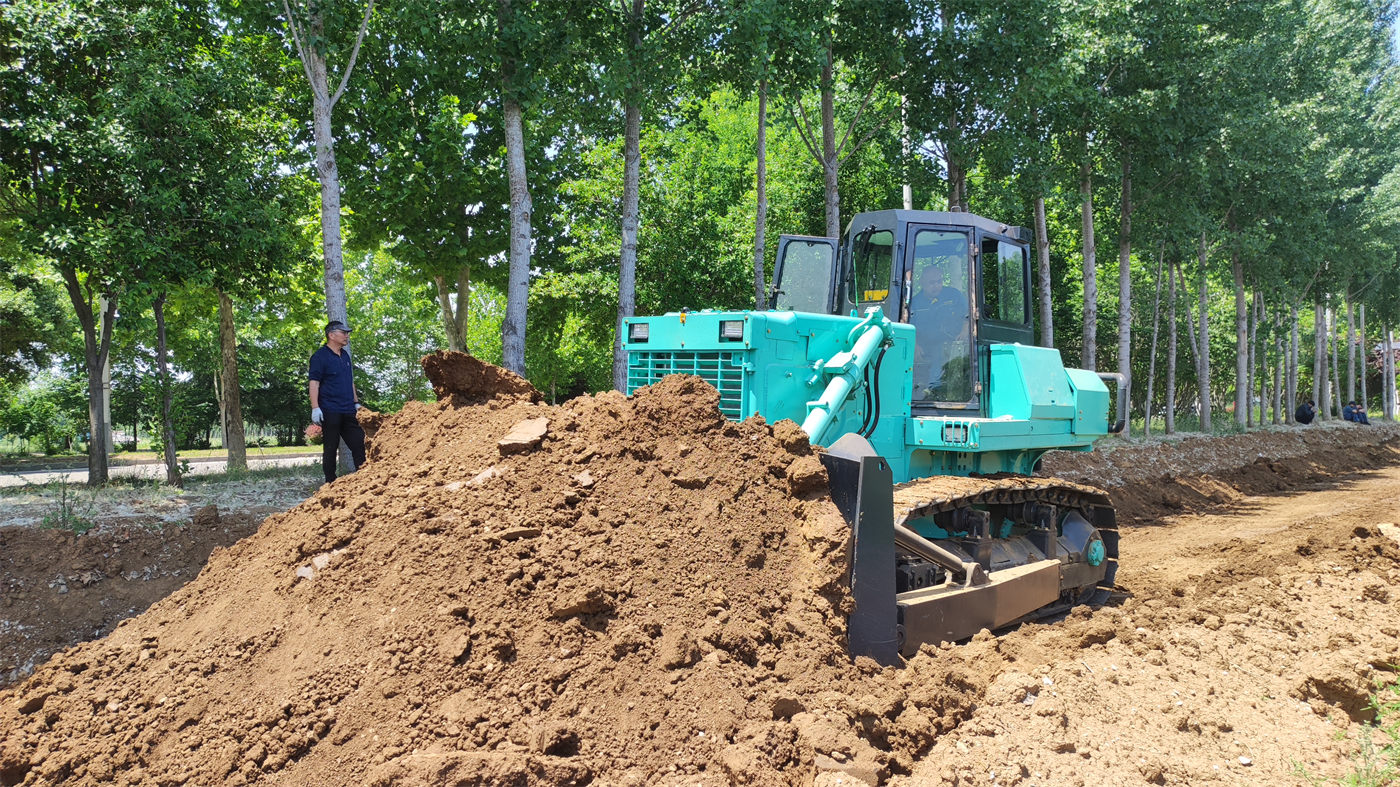
The first constraint on replacing a diesel engine is operating duration. Continuous 8-hour operation, intermittent operation, and half-day shifts impose different requirements on charging arrangements. Below is an excerpt of verified data from a battery-electric medium bulldozer:
| Item | Verified content |
|---|---|
| Main motor | 200kW (272HP) permanent magnet synchronous motor, torque 200Nm |
| Hydraulic system drive | 50kW (68HP) permanent magnet synchronous hydraulic motor, independently driven |
| Battery pack | 614.2V, 690Ah, 423.94kWh lithium iron phosphate battery pack with intelligent BMS |
| Charging and discharging interfaces | 2×300kW battery interfaces, 2×250A DC fast charging, 2×400kW DC discharging |
| Thermal management | 8kW compressor TMS cooling system, liquid cooling system, 45kW plate-fin radiator |
What these figures show: battery capacity provides the upper limit of energy available after a single charge, and the fast-charging interface determines the power conditions that on-site power supply and distribution must meet. Note that the data does not give measured values for endurance or charging time, so battery capacity cannot be used to directly calculate "how many hours it can run continuously." This step must be verified on site or during trial operation, taking into account specific working conditions, materials, push distance, and operating habits.
On-site power supply is an underestimated prerequisite
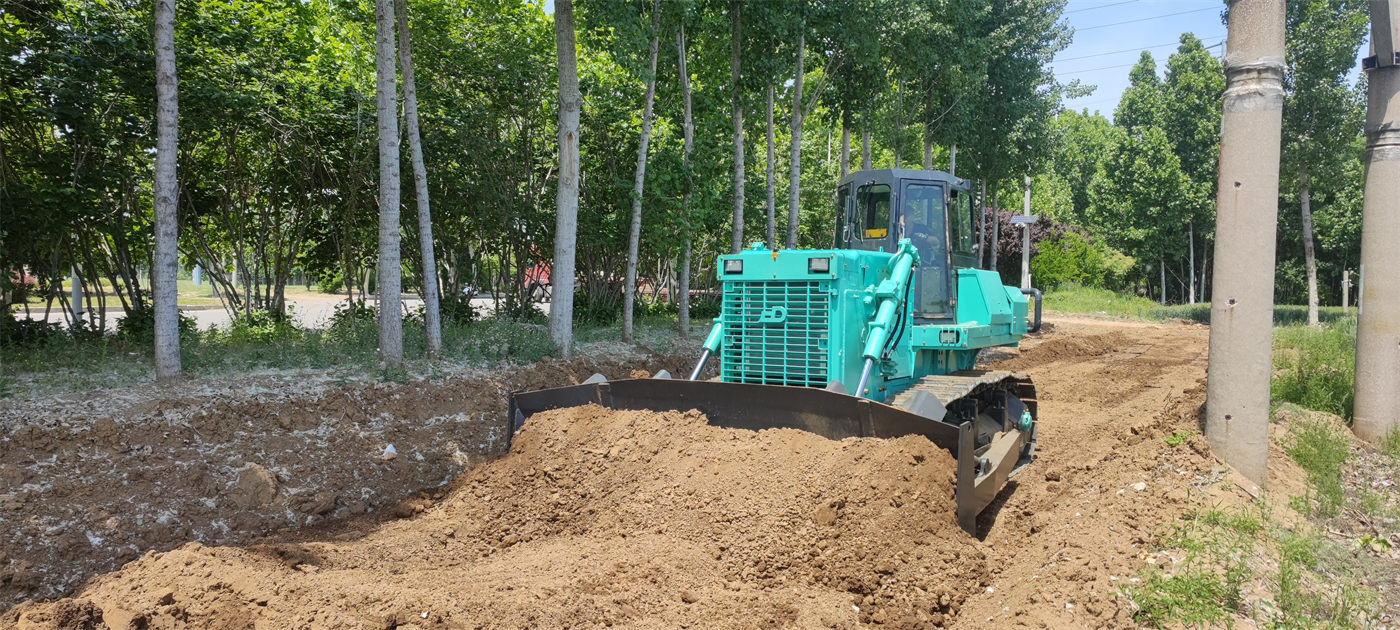
2×250A DC fast charging means the charging end cannot simply be connected to an ordinary construction site distribution box. Before purchase, the following questions should be confirmed with electrical and project personnel:
- Whether the site transformer capacity matches the power demand of the charging equipment;
- Whether the distance between the charging position and the dozing face affects the machine's travel for recharging;
- Whether charging is centralized or distributed, and what the protection conditions are for cables and interfaces;
- Whether there is a fixed window between shifts for charging, or whether equipment rotation is needed.
If these conditions are not met, the availability of battery-electric equipment will be limited, regardless of the machine's own power performance.
Thermal management addresses ambient temperature, not construction efficiency
The TMS cooling system, liquid cooling, and electronically controlled air conditioning given in the data point to temperature control of the battery and motor under high and low temperature environments. For northern winters or high-temperature mining areas, these are configuration items that need to be verified; however, the data does not provide actual operating performance in various temperature ranges, so it cannot be used to promise "stable operation in any climate." During procurement, the supplier should be asked to explain the applicable temperature range and the configuration of auxiliary power for low-temperature heating.
Where are the boundaries for replacing a diesel engine?
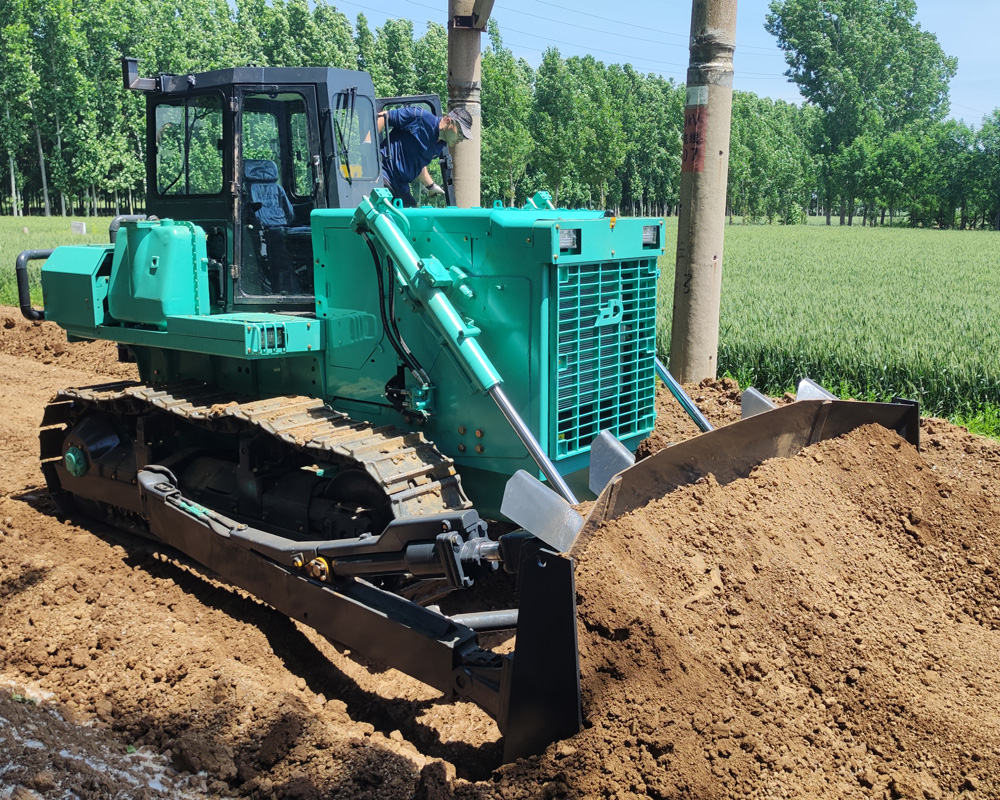
Based on the verified data, this battery-electric medium bulldozer is suitable for scenarios with the following prerequisites: the site has the corresponding power supply and distribution conditions, work shifts and charging windows can be coordinated, and the project has clear constraints on exhaust emissions and noise (such as the directions listed in data for urban municipal, environmental protection, and green mining projects). Conversely, if the site has no stable power source, charging windows cannot be arranged, or continuous operation duration requirements exceed the verifiable range, supporting facilities should be addressed before discussing replacement, rather than deciding on equipment first.
Information to submit before inquiry
- Material type, push distance, and single-shift workload;
- Site plan, power supply conditions, and locations where charging positions can be set up;
- Shift arrangements and charging time windows;
- Ambient temperature range and whether low-temperature auxiliary heating is needed;
- Configuration requirements for blade, tracks, etc., and transport access conditions.
Only after these conditions are complete can it be determined whether the battery-electric solution or the diesel solution better fits actual operations, rather than making a decision based solely on horsepower figures.