




















The schedule says "two shifts," yet the site is often interrupted by refueling trips, low-fuel alarms or the wrong power mode, breaking the push-and-carry rhythm. For a hydrostatic bulldozer, continuous operating time is not an isolated metric; it simultaneously affects tank capacity, refueling arrangements and daily use of engine power modes. Starting from "how long a single shift must push," this article uses the published DH17-G information to explain how to break operating time into verifiable configuration conditions.
First, clarify: what continuous operating time must be broken into
Discussing "how long it can run continuously" involves at least four variables: actual running hours per shift, whether refueling is scheduled mid-shift, whether the workload is stable, and whether the machine allows power mode switching without stopping. Tank capacity only sets the upper limit of fuel reserve and cannot be directly converted into working hours; actual consumption also depends on material, push distance, blade load and operating method.
Therefore, when selecting a model, do not first ask "is the tank big enough." Instead, state: how many hours per day are planned, whether refueling is possible in between, what material is mainly pushed, and how much the load fluctuates. This information determines the weight of tank and power modes in the solution.
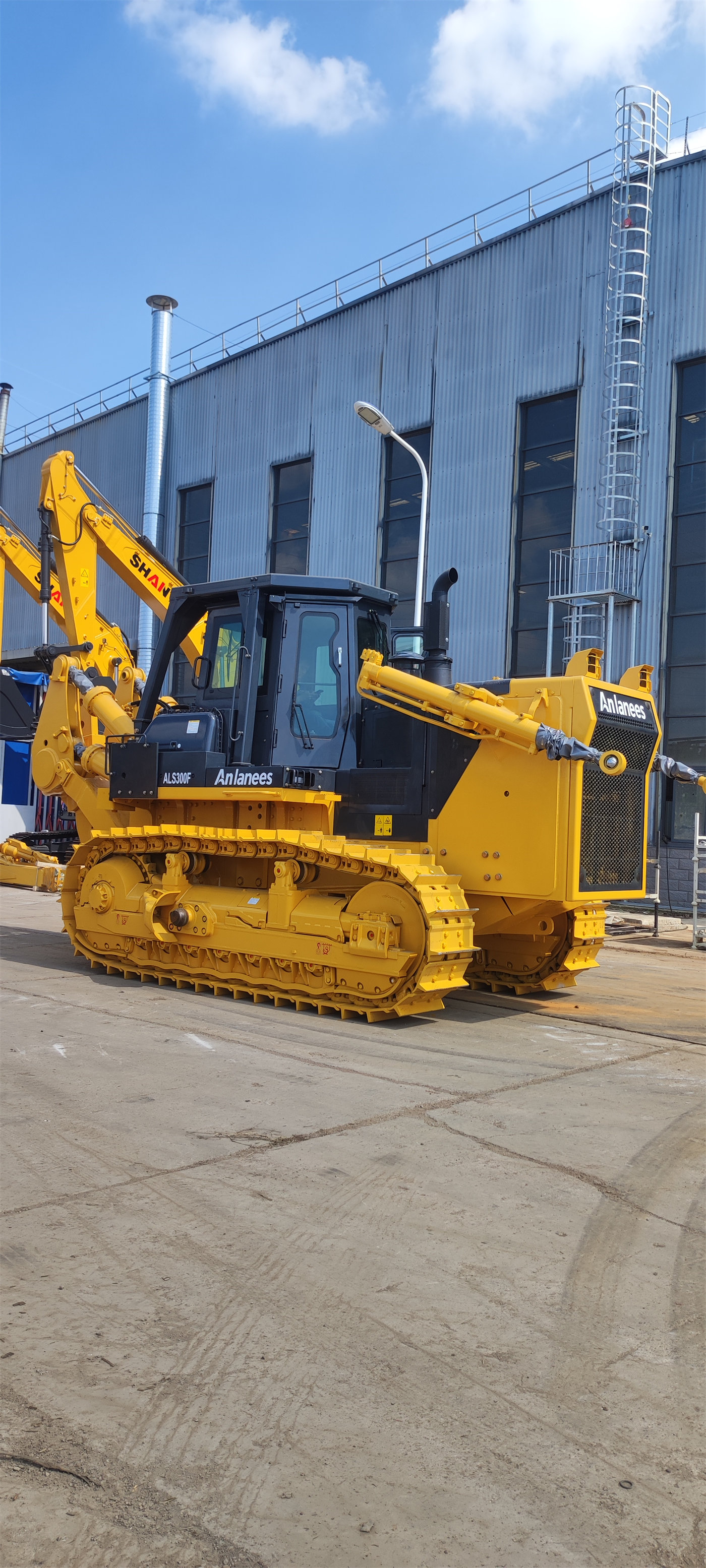
Fields related to continuous operation in DH17-G information
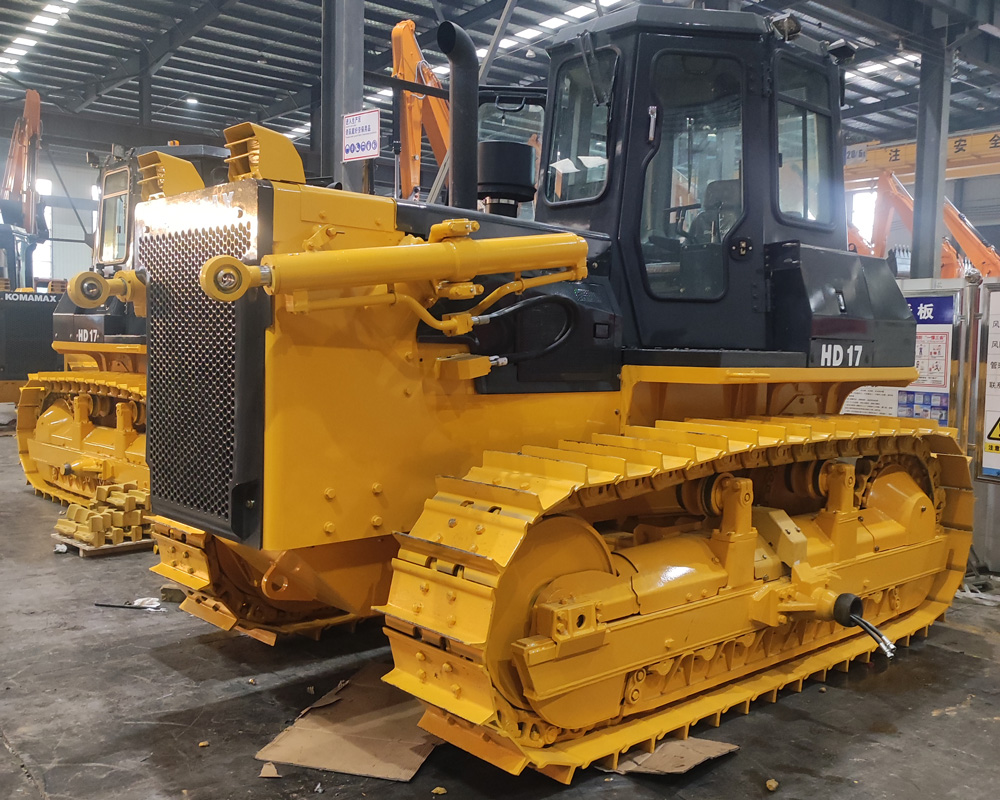
According to product information verified on this site, the DH17-G-G 178HP hydrostatic bulldozer is equipped with a Weichai WP7 China IV electronically controlled engine, rated power 152kW/1800rpm (178HP), adopts a dual-circuit electric hydrostatic drive system, and has a fuel tank capacity of 352L; the information states it supports continuous operation for more than 14 hours. The machine offers three power modes and is equipped with slip ratio control, economy mode, driving response control, reverse start mode, auto idle and other control functions.
These fields must be understood separately: 352L is the geometric tank capacity, not usable fuel volume, nor a range promise under any conditions; "continuous operation for more than 14 hours" comes from product information wording, and actual duration is still affected by load, ground conditions and operating habits; the three power modes are engine output management, not equivalent to pure electric power, and do not mean all versions are identically configured.
| Information field | Corresponding operating question | What cannot be directly inferred |
|---|---|---|
| 352L fuel tank | Reduces mid-shift refueling when single-shift duration is long | Cannot be converted into fixed hours or fixed fuel consumption |
| 178HP China IV engine | Power reserve for medium earthmoving push-and-carry | Cannot be equated with efficiency under all material conditions |
| Three power modes | Switching between power and economy as load changes | Cannot infer specific fuel-saving ratios for each mode |
| Dual-circuit electric hydrostatic drive | Stepless speed regulation and load adaptation | Cannot judge slope or wetland passability from this |
How tank capacity corresponds to shift arrangements
The direct significance of the 352L tank for continuous operation is to leave fuel reserve space for a single shift. If on-site refueling is convenient and shifts are short, tank capacity is not the primary issue; instead, focus more on blade configuration and undercarriage matching. If the work face is far from the fuel tank and mid-shift refueling requires vehicle trips, a larger fuel reserve can reduce non-operating interruptions, but how long it actually lasts must still be verified by actual fuel consumption.
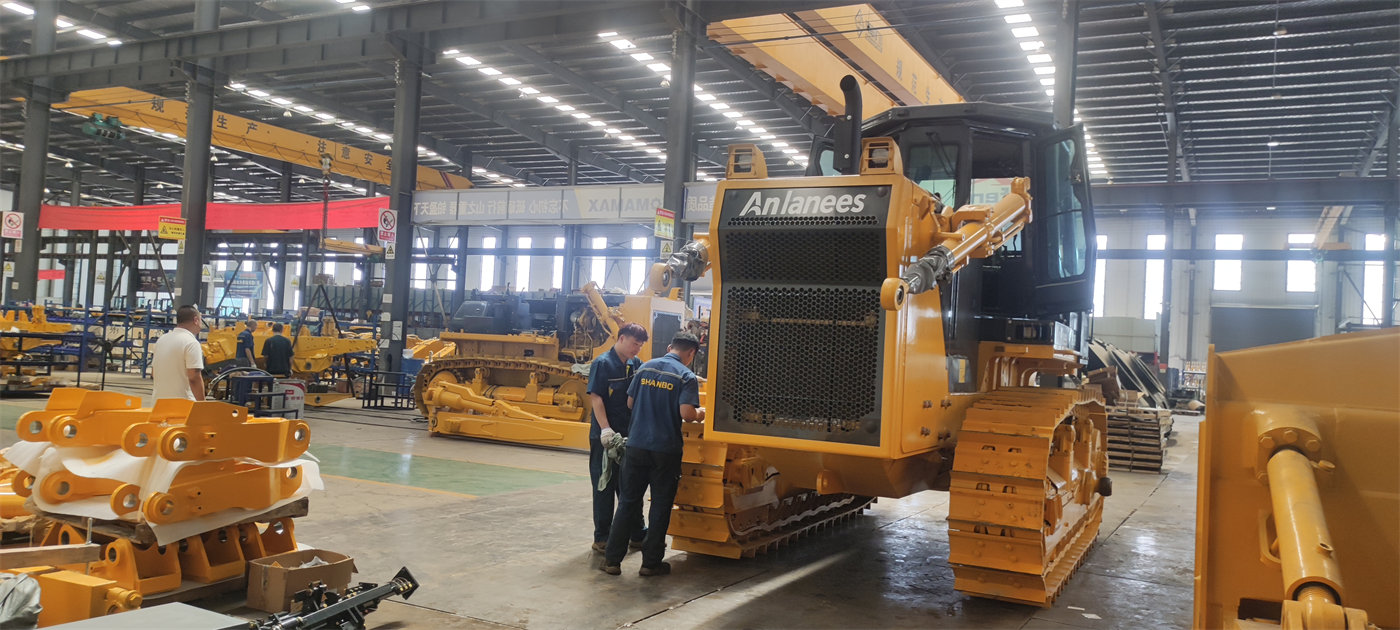
During procurement communication, state "planned running hours per day, distance to the refueling point, and whether mid-shift stopping for refueling is allowed" as explicit conditions, and ask the supplier to provide fuel consumption references based on material and working conditions. Do not divide 352L directly by an assumed fuel consumption rate to reach a range conclusion, because the information does not provide fuel consumption data by condition.
Power modes address load fluctuation, not a range promise
The value of the three power modes is that the same machine has output choices for different loads. For lighter-load stages such as pushing loose soil, short-distance reverse pushing and leveling, an economy-first mode can be considered; when cutting dense material, pushing uphill or running the blade at full load, a power-first mode is needed. The economy mode, auto idle and other functions mentioned in the information also manage output around load and idle states.
However, mode selection cannot replace shift planning. If the site is under heavy-load pushing all day, there is limited room for mode switching, and fuel reserve and refueling arrangements must still be verified under heavy-load conditions; if load fluctuates significantly, operator training should clarify the use scenarios of each mode to avoid using heavy-load mode for light-load work over the long term.
Which conditions must be verified before purchase
- Actual running hours per shift and mid-shift refueling arrangements; do not rely only on the nominal duration on the schedule.
- Material type, push distance and ground conditions, which directly affect fuel consumption and how often power modes are used.
- Required version: the information lists standard, super-wetland, coal, sanitation, forestry and desert versions; blades, tracks and ground pressure differ by version and cannot be applied interchangeably.
- Local fuel supply and fuel quality conditions; China IV engines have corresponding fuel quality requirements, which must be confirmed according to supplier instructions.
- Whether slopes, soft ground or high-dust environments are involved; these conditions are beyond the scope of this information and should be raised separately for verification.
- After-sales service and spare parts supply arrangements; the information does not cover specific service commitments and must be confirmed at the inquiry stage.
Conditions to provide when requesting a quote
If preparing to request a quote for a hydrostatic bulldozer, organize the following information into a checklist: planned material type and volume to be pushed, running hours per shift and per day, distance from the work face to the refueling point, ground bearing capacity and slope conditions, whether a wetland or special version is needed, blade and ripper configuration requirements, site access transport conditions, and local emission and fuel requirements. Only then can the supplier judge which DH17-G version and configuration deserve further verification, rather than giving conclusions based solely on the tank number.
Continuous operating time is ultimately a combined result of "fuel reserve + refueling arrangements + power mode use + working-condition load." The DH17-G's 352L tank and three power modes provide the corresponding configuration basis, but whether they meet a specific shift still depends on site conditions and data verified with the supplier.