






















Replacing a diesel bulldozer with an electric one changes more than the machine itself. Urban sites often face limited power capacity, difficult charging locations, noise restrictions at night, and restricted entry and exit times. If these conditions are not secured in advance, the equipment may not be able to operate continuously across shifts after arrival. The following lists preparation items in three stages: pre-entry, shift scheduling, and operational support, with corresponding E22 verified data.
Before entry: confirm where power comes from and how to recharge
Electric bulldozers rely on on-site or nearby power for recharging, making power supply the first hurdle. E22 data shows a 614.2V, 690Ah, 423.94kWh lithium iron phosphate battery pack, supporting 2×300kW battery interfaces, 2×250A DC fast charging, and 2×400kW DC discharge. These figures indicate substantial recharging power demand. During preparation, confirm the following with the site electrical supervisor:
- Whether the distribution capacity meets the DC fast-charging input power and whether a dedicated circuit is needed;
- Whether the voltage and current specifications of the charging pile or fast-charging interface match the 2×250A DC fast charging;
- The distance between the charging location and the dozing area to avoid cables crossing transport routes;
- Interface protection and grounding conditions in rain and snow.
The data does not provide charging time, range, or energy consumption per shift. These values must be confirmed with the supplier based on specific working conditions and cannot be directly inferred from battery capacity to determine full-shift capability.
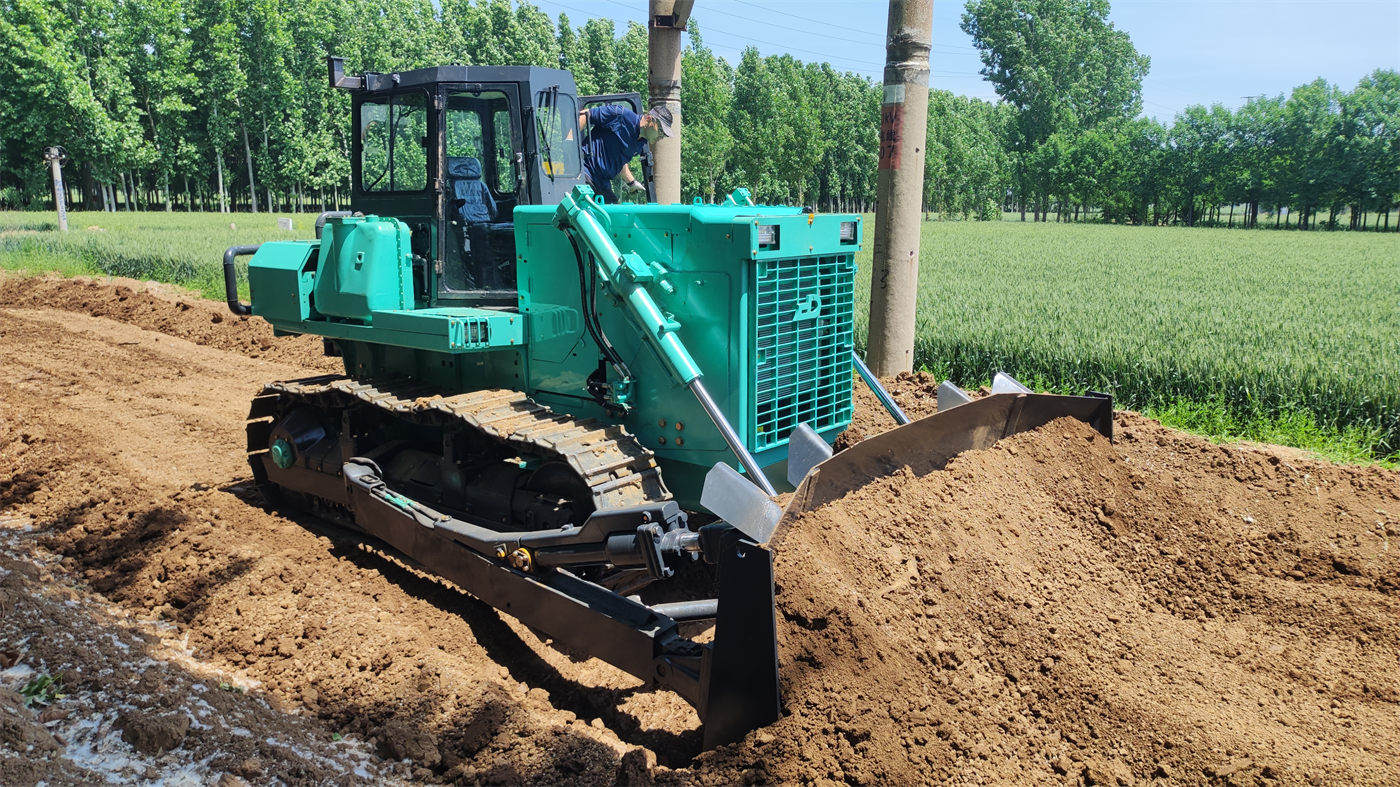
Shift scheduling: incorporate recharging time into the work plan
Diesel equipment continues working by refueling, while electric equipment requires charging windows scheduled into shifts. During preparation, clarify the number of daily dozing shifts, continuous operating duration per shift, and whether charging is arranged during shift changes, lunch breaks, or at night. E22 features an intelligent BMS management system and liquid cooling thermal management, and the data states it can operate stably in extremely high and low temperature regions; the cooling system includes an 8kW compressor TMS cooling system and a 45kW plate-fin radiator. These configurations indicate thermal management support for the battery and motor, but the actual impact of ambient temperature on recharging cadence still requires on-site verification.
Urban sites also need to consider whether charging equipment noise affects surroundings. E22 data describes it as pure electric, zero exhaust emissions, and low operating noise; the noise of the charging facilities themselves should also be assessed.
Operational support: check blade, tracks, and site conditions item by item
Electrification does not change the bulldozing requirements for the blade and undercarriage. Before entry, verify the work equipment according to the material to be pushed, push distance, and site bearing conditions. E22 data mentions its hydraulic system uses a 50kW permanent magnet synchronous hydraulic motor for independent drive, equipped with a 100+65+25 three-gear pump, standard working pressure 30MPa, providing hydraulic power for dozing, lifting, and ripping operations. This information indicates hydraulic support for multiple work attachments, but specific blade capacity, track shoe width, and ground pressure parameters are not provided in this site's data and should be requested from the supplier according to the actual ordered configuration.
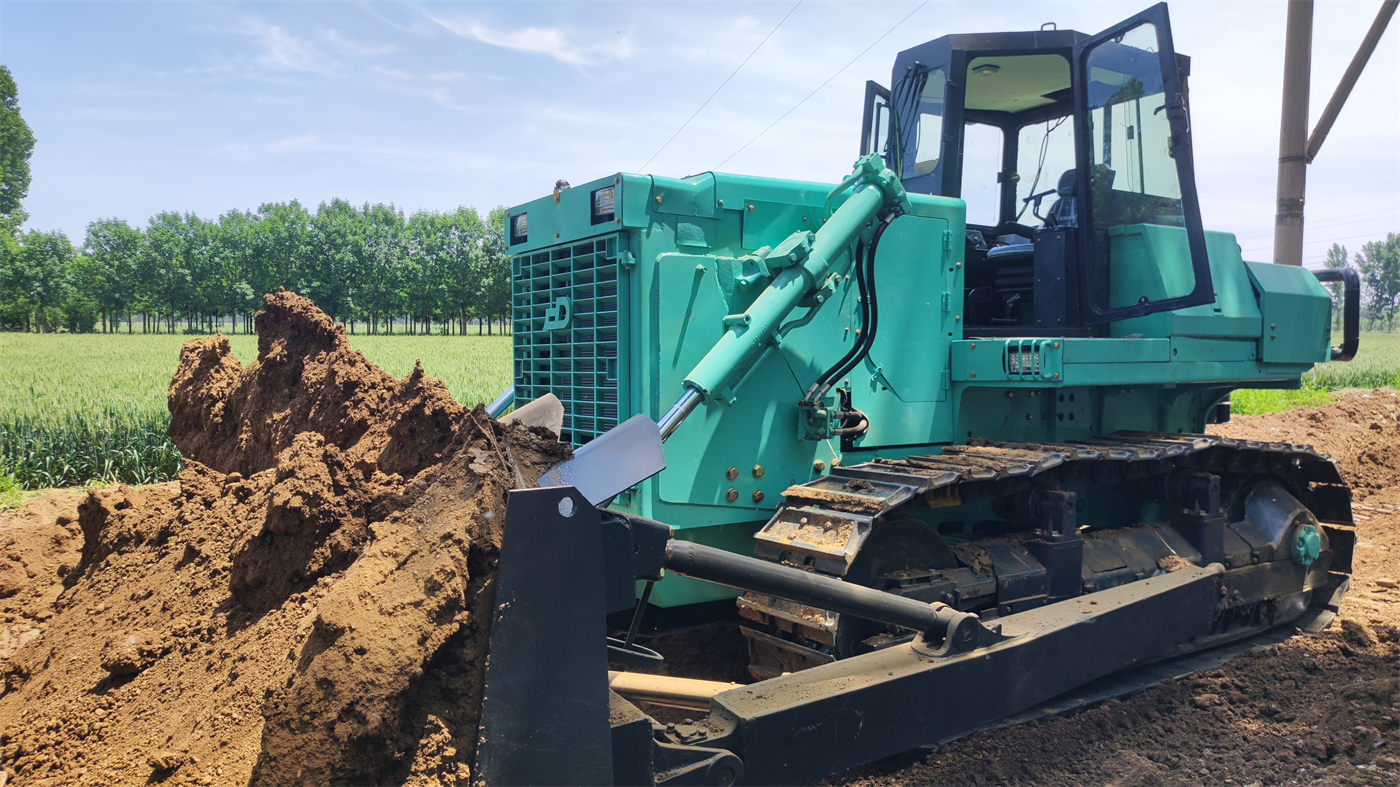
Urban sites commonly handle backfill soil, construction waste, and rough site leveling, with significant variations in material looseness and ground bearing capacity. The data does not provide specific adaptability data for E22 on soft wet ground or slopes. Such conditions should be listed as items to be confirmed and should not directly rely on experience with diesel models.
Verifying safety and monitoring configurations
Before high-voltage electrical equipment enters the site, on-site personnel need to understand basic safety configurations. E22 data shows it is equipped with a CAN communication insulation monitor, withstand voltage 2500Vac, leakage detection response 10ms, and uses high-voltage shielded cables and metal waterproof connectors. Vehicle monitoring includes a 128GB dashcam, 4G remote monitoring TBOX module, 7-inch LCD interactive screen, and 2-channel starlight night-vision cameras, which the data states can achieve 360° panoramic view. During preparation, confirm whether these monitoring data are integrated into the project management platform and who is responsible for daily review on site.
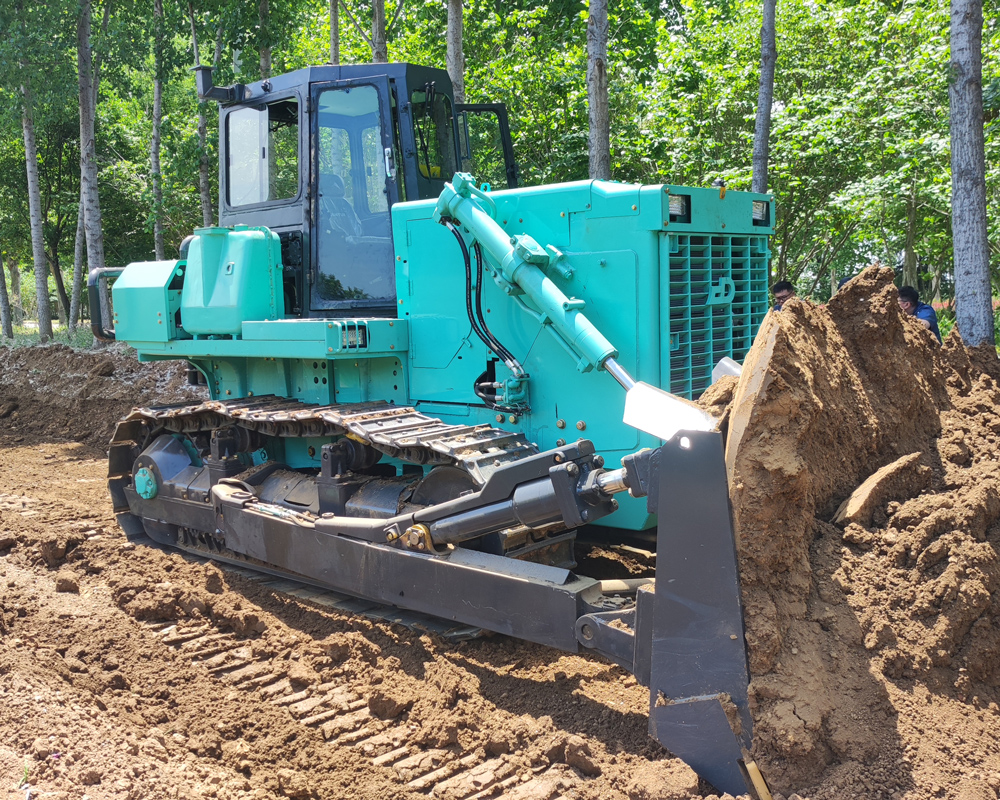
The above configurations do not replace on-site electrical safety management systems; high-voltage maintenance should be performed by qualified personnel according to the manual.
Pre-entry checklist
| Check item | Content to confirm | Status of basis |
|---|---|---|
| Power supply capacity | Whether distribution capacity matches DC fast-charging input power | Data provides fast-charging specs; site capacity to be verified |
| Recharging arrangements | Charging periods, charging location, cable routing | To be determined with shift plan |
| Shift capability | Operating duration and energy consumption per shift | Not provided in data; confirm with supplier |
| Blade and track configuration | Blade capacity, track shoe width, ground pressure | Request per ordered configuration |
| Site adaptability | Soft wet ground, slopes, push distance | No specific data provided |
| Safety and monitoring | Insulation monitoring, monitoring data integration method | Data lists configurations; management method pending |
Conditions to provide when requesting a quote
When consulting suppliers about electric bulldozer solutions, it is recommended to provide: type and approximate volume of material to be pushed, site plan and bearing conditions, daily shifts and continuous operating duration, available on-site distribution capacity and charging location, whether attachments such as rippers are needed, and transport entry route with width and weight limits. The 272HP main motor, 200kW power, 200Nm stable torque, and 423.94kWh battery pack in E22 data can serve as a starting point for discussion, but full-shift capability, charging time, and actual energy consumption still need to be confirmed by the supplier based on the above conditions; conclusions should not be drawn from the specification sheet alone.