















A common confusion in bulldozer procurement is this: several machines appear to have the same engine power, yet their prices and configurations differ, and it is unclear what the salesperson's "standard," "wetland" and "forestry" versions actually mean. If you select only by horsepower, you may buy a machine with adequate power whose undercarriage or protection does not suit the current site; conversely, if you configure from the outset for the heaviest conditions, you may pay for capability you will never use. This article focuses on the concept of "version," explaining what bulldozer version differences really are and how to translate jobsite conditions into verifiable configuration items during procurement.
A version is not a horsepower grade but a combination of machine configurations
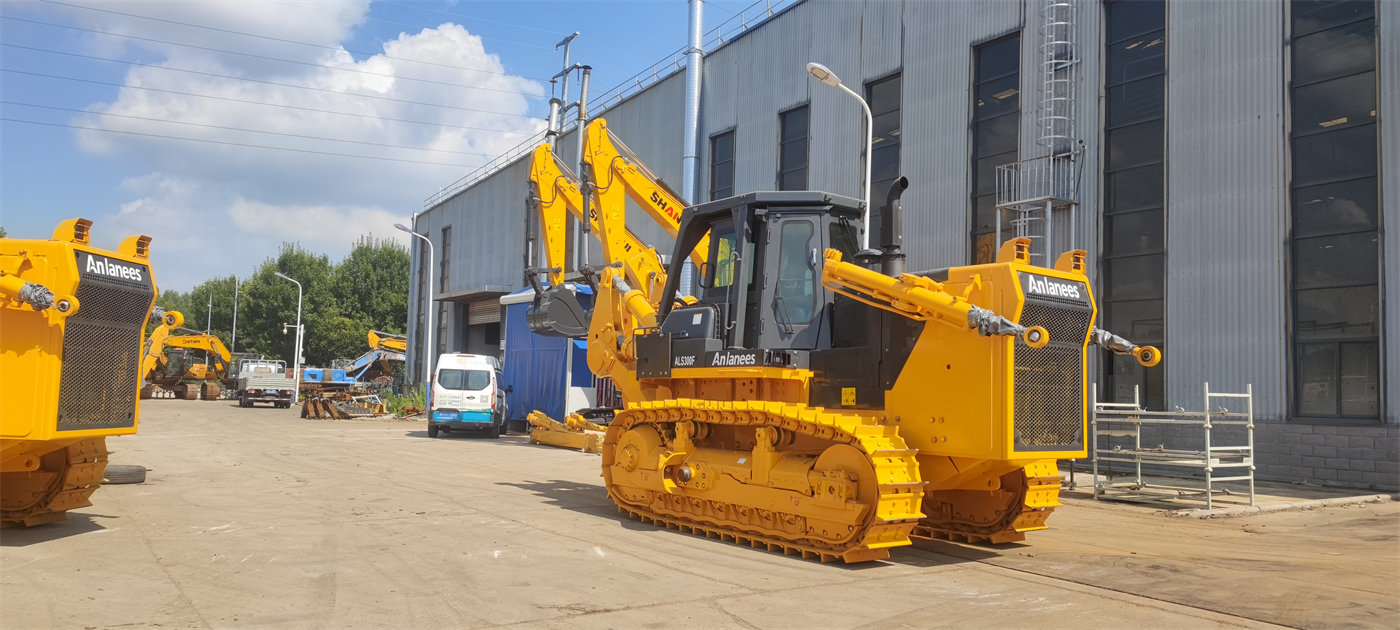
A bulldozer's power class answers "is there enough power," while its version answers "what type of operating conditions is the machine configured for." On the same power platform, manufacturers derive different versions around directions such as ground bearing capacity, material type, operator protection and work equipment. Taking the verified 260 hp medium bulldozer series as an example, the data lists standard, forestry, wetland, desert, sanitation and rock versions, and states that the series has a "complete range of specifications" and is used in engineering, forestry, environmental protection and mining construction projects. This list itself shows that versions are configuration branches for operating scenarios, not another set of power grades.
Therefore, when you see that "a model has multiple versions," you should not understand it to mean that all versions of that model have the same capability, nor that choosing any one version will cover all operating conditions. The version name is only an entry point for identification; the real basis for selection is the specific configuration and applicable conditions corresponding to each version.
Using the 260 hp standard version as a reference to see how configuration maps to needs
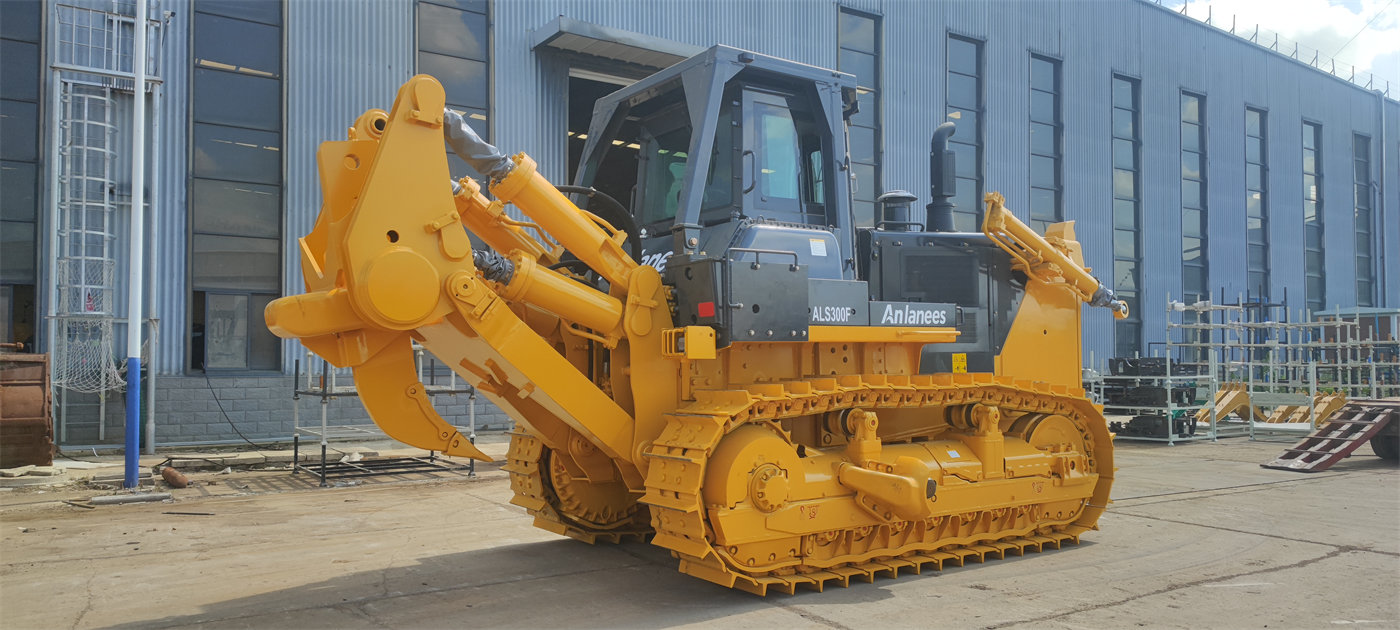
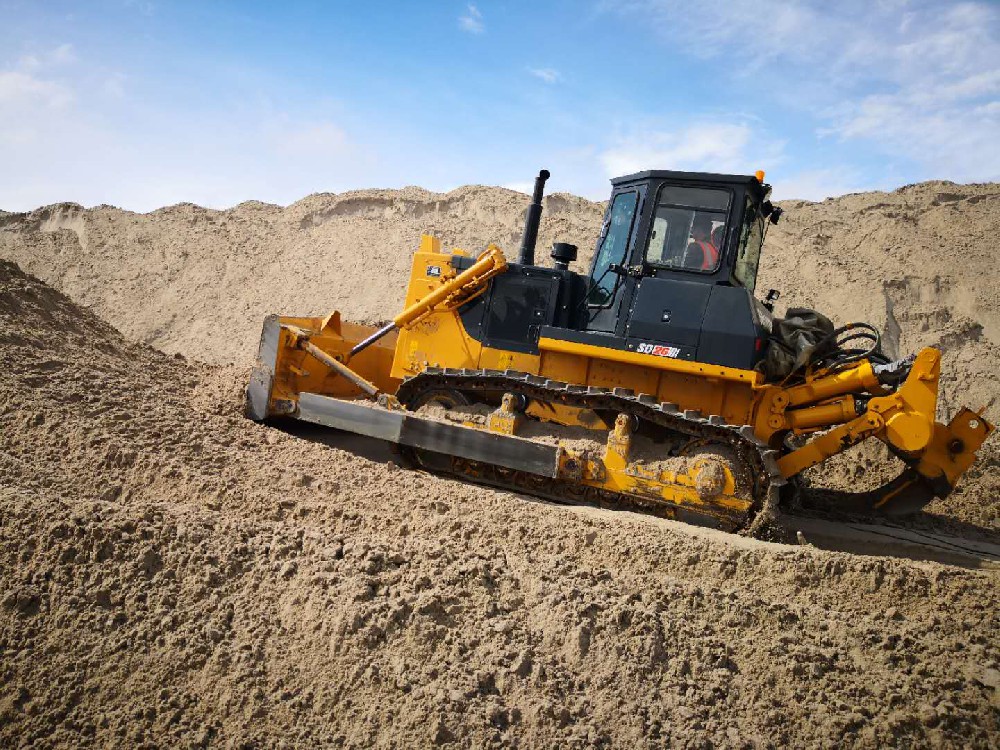
The version with the most complete parameters in the data is the standard version of this series. Its operating weight is 23,450 kg, ground pressure is 66 kPa, the engine is a Weichai WP12G280E304 with China-III emissions, rated speed is 1,900 rpm, gross power is 206 kW (277 hp) and net power is 194 kW (260 hp). It comes standard with a straight-tilt blade 3,725 mm wide and 1,315 mm high with a capacity of 4.6 m³; track shoe width options are 560, 610 and 660 mm; the undercarriage uses semi-rigid suspension with a ground contact length of 2,872 mm; and a three-shank ripper is standard with a maximum ripping depth of 666 mm. The transmission is power shift with three forward and three reverse gears and a speed range of 3.8 to 11.8 km/h.
These configurations correspond to general engineering construction, road construction, site leveling, mining earthworks and medium-duty heavy-load operations. Traction comes from the increased ground contact area of the semi-rigid suspension undercarriage, cutting capability comes from the straight-tilt blade, and hard or frozen soil is broken up first by the ripper. The data also states that the series is equipped with an intelligent electronic control system supporting automatic fault detection and operation monitoring; here electronic control refers to the electrical and monitoring systems and does not mean the machine is purely electric—the power source is still the engine.
Which verifiable items reflect version differences
Version differences that can be confirmed from the verified data include the following: the forestry version is equipped with a dedicated logging ROPS/FOPS cab and rainproof sunshade structure, uses 610 mm widened tracks, can be optionally fitted with a mechanical winch, has an operating weight of 24,700 kg and a ground pressure of 64 kPa, and is intended for rainforest logging, agroforestry development, log extraction and hauling, and forest road improvement; for the wetland, desert, sanitation and rock versions, the series data lists only the version names and application directions, without complete specific parameters.
This means that during procurement you cannot directly treat the forestry version's ground pressure and track width as the configuration of the wetland or rock versions, nor infer from a version name that a given version definitely has a certain capability. Any detailed parameters not listed in the data should be treated as items to confirm with the supplier rather than filled in on your own.
| Verification item | Why it affects version judgment | Data status |
|---|---|---|
| Ground pressure and track shoe width | Soft-ground and wetland scenarios focus on pressure per unit area and track ground contact area | Values available for standard and forestry versions; other versions to be confirmed |
| Cab protective structure | Forestry and similar scenarios involve falling-object and rollover protection requirements | Dedicated ROPS/FOPS cab described for the forestry version |
| Work equipment | Blade type and ripper configuration correspond to different materials | Standard version data relatively complete; other versions to be confirmed |
| Undercarriage and transmission | Continuous heavy-load operations focus on undercarriage load-bearing and power transmission | Standard version lists power-shift transmission and semi-rigid suspension |
Conditions to confirm before purchase
To translate version selection into a specific project, first organize your own operating conditions, then compare them item by item with the supplier's data. The following checklist is organized according to what the data can cover; items not covered are clearly marked as to be confirmed.
- Ground conditions: dry hard soil, soft wet ground, sand or rock face; whether low-ground-pressure configuration is needed; whether ground pressure values for the target version have been provided.
- Material and process: mainly pushing loose earth, or needing to break frozen soil, clay or gravel layers; whether a ripper is fitted and how many shanks.
- Blade configuration: whether a straight-tilt blade is sufficient, or whether an angle, U-blade or semi-U blade is needed; these are optional items and cannot be assumed standard.
- Protection and operating environment: whether there are risks of falling objects, rollover or extreme climate; whether the ROPS/FOPS cab and sunshade/rainproof structure are standard for that version.
- Transport and relocation: whether the machine's transport dimensions, weight and site road conditions match; some length fields in the data are marked incomplete, so supplier-confirmed values should prevail.
- Power form: confirm whether it is fuel-powered or purely electric; an electronic control system does not equal pure electric power, and electric options require separate verification of power supply and recharging conditions.
- Version-specific parameters: the specific configuration and performance of the wetland, desert, sanitation and rock versions must be judged only after obtaining the corresponding complete technical data.
What to provide at inquiry so that judgments have a basis
Whether version matching holds depends on whether the supplier can obtain sufficiently specific operating information. At inquiry, it is recommended to provide: material type and expected pushing volume, site ground conditions and soft/wet or sloping conditions, working-face dimensions and relocation distance, daily shifts and continuous operating hours, required blade and ripper configuration, transport method and road restrictions, and whether electric power is being considered. On this basis, the supplier can explain which version and which configurations correspond to these conditions and which indicators still need on-site verification. When the data does not give battery capacity, range, fuel consumption, efficiency or price, do not put such promises into the comparison table, and do not substitute version names for parameter verification.