












When receiving technical documentation for a hydrostatic bulldozer, a common situation is that the same document lists multiple versions, and the parameter tables are not entirely shared. If one only remembers engine power and operating weight, it is easy to mistake the standard version's ground pressure as a basis for wetland conditions, and one may also overlook differences in blade type and track shoe width among versions. This article uses the documentation for a 178HP hydrostatic bulldozer as an example to explain which operating condition fields should be checked first when reading such materials, and how these fields correspond to specific dozing tasks.
Confirm the version before reading parameters
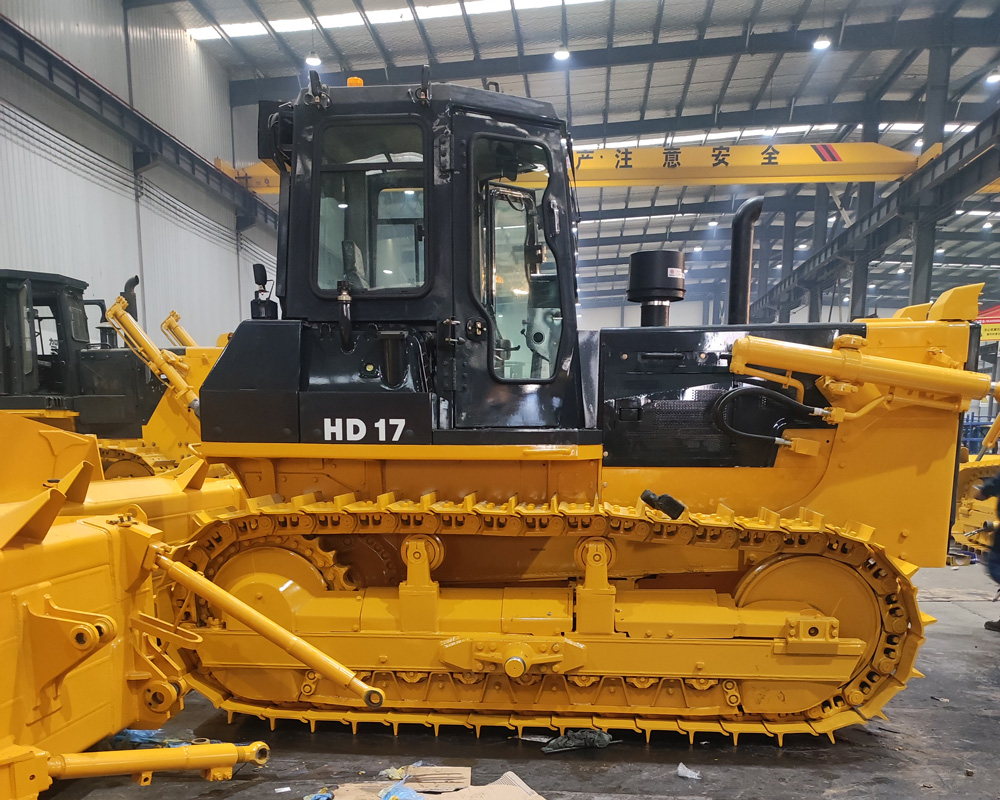
According to the documentation, this 178HP hydrostatic bulldozer is available in standard, super-wetland, coal, sanitation, forestry, and desert versions. It is equipped with a China IV electronically controlled engine, rated power 152kW/1800rpm, and features fully hydraulic drive. Multiple versions do not mean that every version shares the same undercarriage and blade data. The documentation provides independent operating weight, ground pressure, track, and blade parameters for the standard, super-wetland, and coal versions. When reading, one should first lock onto the version corresponding to the target application, then compare across versions.
If the procurement requirement only states "earthmoving dozing," it is not yet possible to directly determine which version to choose. The documentation indicates the intended applications: the standard version is for general earthworks, construction sites, road building, and short-distance material transport; the super-wetland version is for swamps, wetlands, riverbanks, and soft soil foundations; the coal version is for coal yards, ports, power plants, and bulk material handling. Version selection depends on site bearing conditions and material type, not just power.
Ground pressure and track specifications must be checked as a set
The core issue for soft and wet sites is the pressure the equipment exerts on the ground. In the documentation, the standard version has an operating weight of 17730kg (with ripper) or 19290kg (with drawbar), ground pressure of 65kPa or 77kPa, and track shoe width of 510mm (standard), with 560mm and 610mm optional; the super-wetland version has an operating weight of 19690kg, ground pressure of 30.5kPa, and track shoe width of 1100mm (standard), with 950mm optional. The operating weights of the two versions are close, but the ground pressure differs significantly due to different configurations of track shoe width and ground contact length.
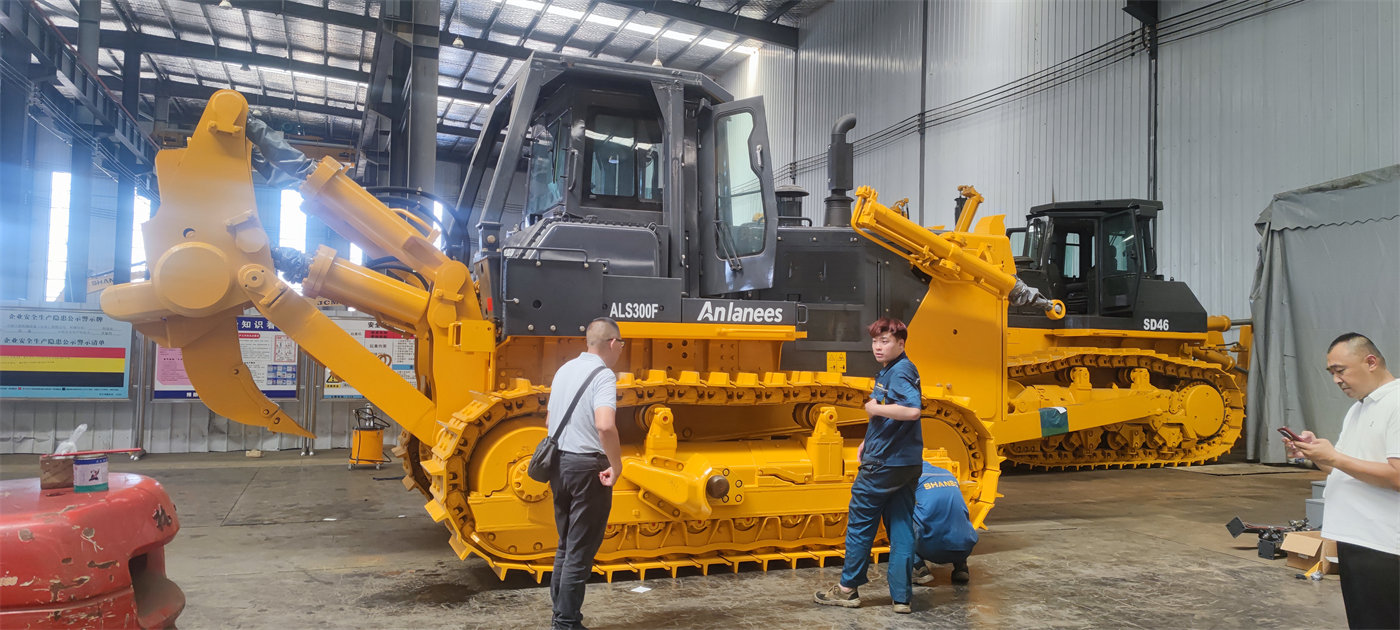
When reading, one should not extract a single ground pressure value in isolation, but consider it together with the corresponding operating weight, track shoe width, and ground contact length. The super-wetland version has a ground contact length of 2935mm and track gauge of 2350mm; the standard version has a ground contact length of 2675mm and track gauge of 1880mm. These dimensions affect the machine's support area and lateral stability on soft ground, but the documentation does not provide conclusions on sinkage or trafficability under different soil types. Whether the machine can actually meet the bearing requirements of a specific site still needs to be confirmed based on on-site soil and bearing conditions.
| Field | Standard version | Super-wetland version | Coal version |
|---|---|---|---|
| Operating weight | 17730kg (with ripper)/19290kg (with drawbar) | 19690kg | 18140kg |
| Ground pressure | 65kPa/77kPa | 30.5kPa | 60.5kPa |
| Track shoe width | 510mm (standard), optional 560/610mm | 1100mm (standard), optional 950mm | 560mm (standard), optional 510/610mm |
| Blade type | Straight tilt blade/semi-U blade, width 3452/3415mm | Straight tilt blade, width 4230mm | Coal pusher blade, width 3905mm |
Blade type corresponds to material, not power
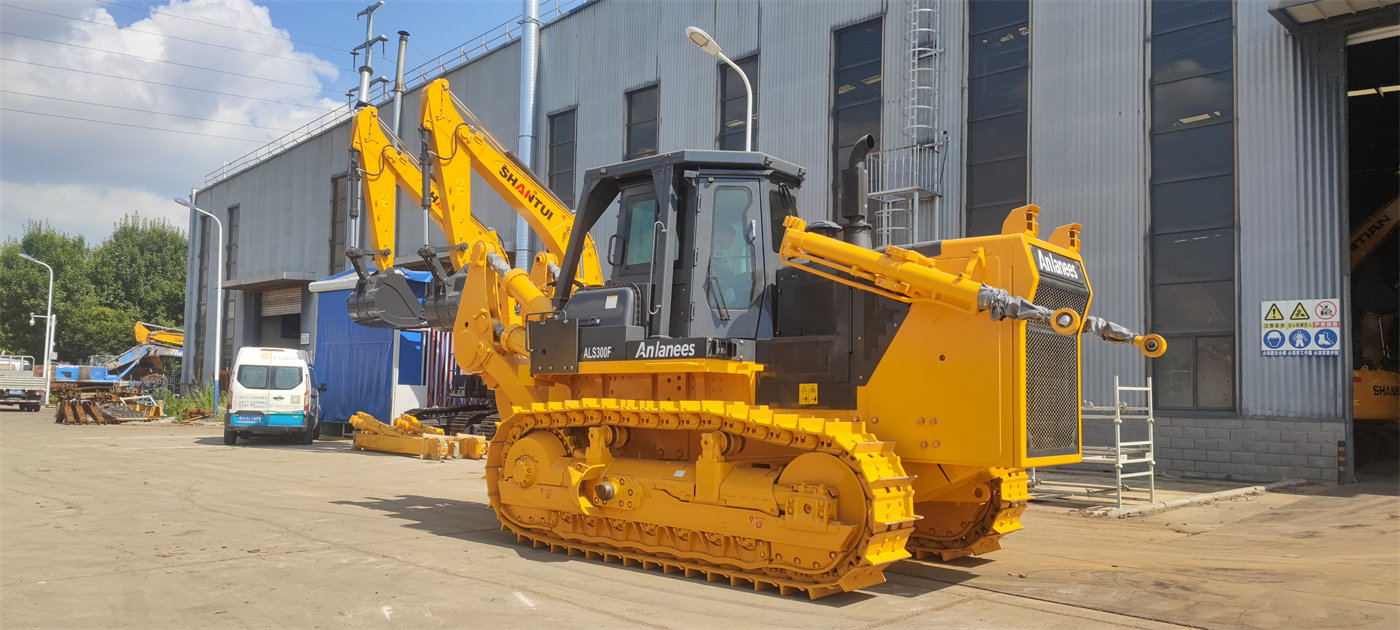
The three versions share the same engine power, but blade types and dimensions differ. The standard version is equipped with a straight tilt blade or semi-U blade, with blade width of 3452mm or 3415mm; the super-wetland version is equipped with a straight tilt blade, width 4230mm, blade height 1040mm; the coal version is equipped with a coal pusher blade, width 3905mm, blade height 1228mm. The documentation associates the coal pusher blade with bulk material scenarios such as coal yards, ports, and power plants, indicating that blade type is configured according to material and operating method.
The documentation notes that the standard and super-wetland versions have a ripper configuration, with ripping depth of 475mm and ripper lift height of 570mm; the ripper column in the coal version table is "—". This means one cannot assume every version can be equipped with a ripper. If the work involves hard soil or requires loosening the surface layer, it should be separately confirmed during inquiry whether the target version offers this configuration.
Fuel tank capacity and continuous operating time cannot be directly converted
The documentation gives a fuel tank capacity of 352L and mentions that under specific descriptions it supports continuous operation for more than 14 hours. This figure cannot be directly taken as a endurance conclusion for all operating conditions. Actual fuel consumption during operation is related to load, dozing distance, ground conditions, and operating method, and the documentation does not provide fuel consumption data under different conditions. During procurement, fuel tank capacity can be used as a reference for refueling arrangements, but the actual refueling interval within a shift still needs to be confirmed based on on-site work intensity.
In addition, the documentation mentions that the transfer case design reduces fuel consumption by 10%. This is a comparative statement in the product description, lacking reference conditions and test explanations, and should not be directly used as a basis for project cost estimation.
Distinguish the meaning of transmission and control descriptions
The documentation describes that the machine adopts a dual-circuit electric hydrostatic drive system, supporting stepless speed regulation and load adaptation. Here, "electric" refers to the electronic control method of the hydraulic drive system, not pure electric power; the machine is still equipped with a diesel engine. When reading the documentation, one must distinguish electronic control and electronic control from pure electric power, and cannot infer the power form from the word "electric" in the description.
The documentation also lists control functions such as slip rate control, economy mode, driving response control, reverse start mode, and automatic idle, as well as an 8-inch display terminal and rearview camera. These are control and auxiliary configurations that help operators understand equipment status, but the documentation does not provide specific data on the impact of these functions on construction efficiency.
Conditions still requiring confirmation before procurement
The documentation can answer the general correspondence between versions and applications, but cannot replace on-site verification. Before inquiry, it is recommended to prepare the following information and confirm each item with the supplier:
- Material type and moisture state: ordinary earth, wetland soft soil, or bulk materials such as coal, directly affects the version direction.
- Site bearing and slope conditions: the documentation gives ground pressure and track dimensions, but does not provide sinkage on soft ground or slope operation limits.
- Transport conditions: the overall dimensions of the three versions differ; the super-wetland version is 4230mm wide, so road width limits and loading/unloading sites need to be checked before transport.
- Blade and ripper configuration: confirm availability according to the target version, not by inference from the series name.
- Shift and refueling arrangements: fuel tank capacity of 352L can be used as a reference; actual fuel consumption and continuous operating time need to be confirmed based on operating conditions.
- Emissions and local registration requirements: the machine meets China IV emissions, and the emission management requirements of the project location need to be confirmed.
After matching the above conditions item by item with the version parameters in the documentation, then judge which version is worth further inquiry. Soft ground trafficability, slope capability, and actual fuel consumption not given in the documentation should be treated as items to be confirmed, rather than inferred from existing values.