



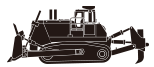















For dozers in the same power class, the configurations that need attention differ when facing a coal stockyard, a rocky working face, or a windblown sand site. If inquiries are based only on horsepower range, it is easy to repeatedly adjust blade type, track shoe width, protective structures, and other aspects. Using the published version information of the SD32 series as a reference, this article explains how to start from material type and site conditions, first determine the version direction, and then verify specific parameters.
First distinguish the material: the pushed object determines the emphasis on blade and undercarriage
Whether the material is loose or hard, whether it contains large rocks, and whether it is corrosive or dusty directly affects blade structure and undercarriage protection. The SD32 series information lists directions such as the standard version, coal version, rock version, desert version, and sanitation version, which can serve as a starting point for determining the version type.
The boundary between loose materials and hard materials
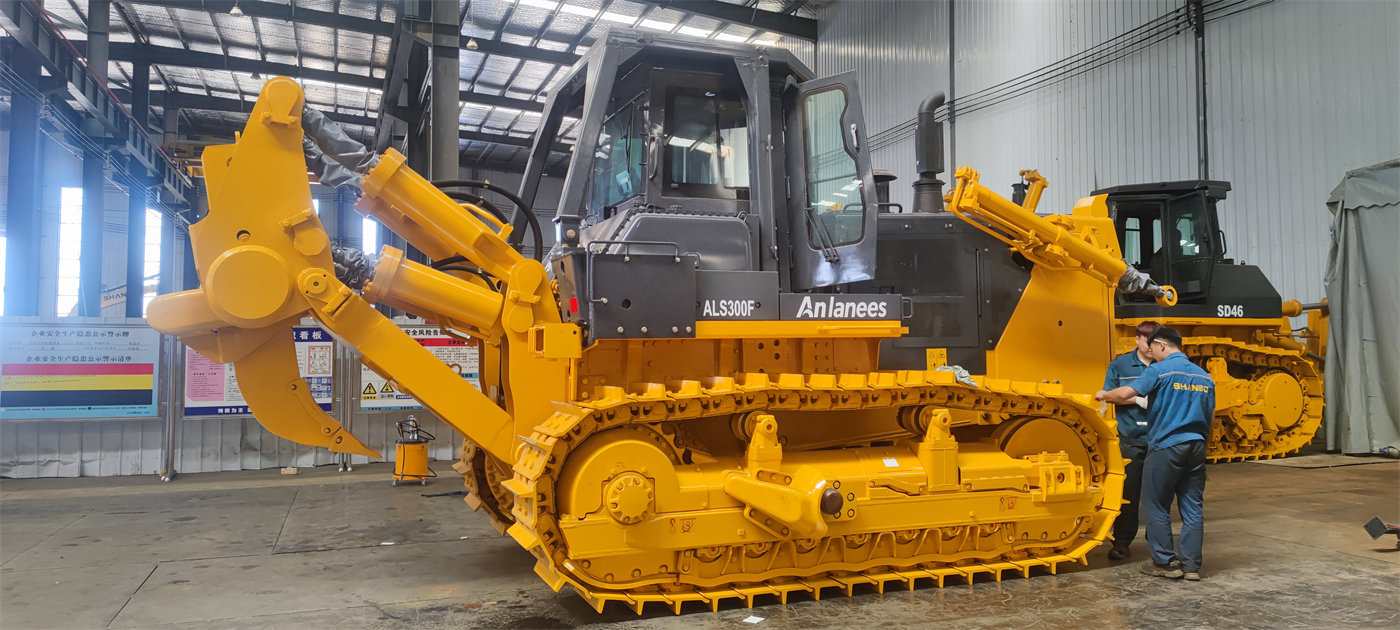
In scenarios such as coal and bulk material stockyards, the SD32C coal version in the information is equipped with semi-U or U-shaped coal blades, with blade widths of 4806 mm and 4520 mm respectively, and comes standard with 610 mm wide wear-resistant tracks. This configuration points to pushing, stockpiling, and leveling bulk materials, not stripping on rocky working faces. If the working object is weathered rock, rocky soil, or a crushed stone yard, the SD32W rock version in the information is equipped with thickened high-wear-resistant rock pushing blades and reinforced push rod assemblies, with blade types divided into rock straight, rock angle, and rock semi-U.
The standard SD32 offers multiple work equipment options, including straight blade, semi-U blade, U-shaped blade, angle blade, coal pushing blade, rock blade, sanitation blade, ripper, and drawbar. Its application range is relatively broad, but when the material clearly leans toward coal or rock, the blade and undercarriage configurations of the dedicated versions are closer to the corresponding working conditions. During selection, material properties should be confirmed first before deciding whether the standard version range is appropriate.
Material details that need attention
- Maximum material lump size and hardness: affects blade type and whether a ripper is needed.
- Material bulk density and moisture state: affects pushing resistance and blade capacity utilization.
- Whether corrosive or highly abrasive components are present: affects blade material and track shoe wear resistance requirements.
- Whether the working face requires frequent leveling: affects the choice among straight blade, semi-U blade, or angle blade.
The information on this site does not provide corresponding thresholds for the above material details one by one. During actual selection, on-site sampling or technical confirmation from the supplier is needed; applicability cannot be inferred from the version name alone.
Then consider the site: windblown sand, soft ground, and site flatness change configuration priorities
Site conditions determine protective structures and undercarriage form. The SD32D desert version in the information is aimed at high-temperature, strong-wind, and heavy-dust environments, equipped with a high-position dust-proof intake filter and an enhanced large-capacity radiator, and uses 710 mm wide shock-absorbing tracks. This configuration responds to intake cleanliness, heat dissipation capacity, and travel smoothness in windblown sand environments, rather than simply increasing pushing capability.
For soft wet sites, the existing information on this site does not provide the specific configuration and ground pressure data of the SD32 series wetland version, so it cannot be directly determined whether a certain version of this series is suitable for soft ground operations. If the site has soft ground, standing water, or insufficient bearing capacity, first confirm with the supplier whether there is a corresponding undercarriage configuration and ground pressure parameters, and then discuss the model direction.
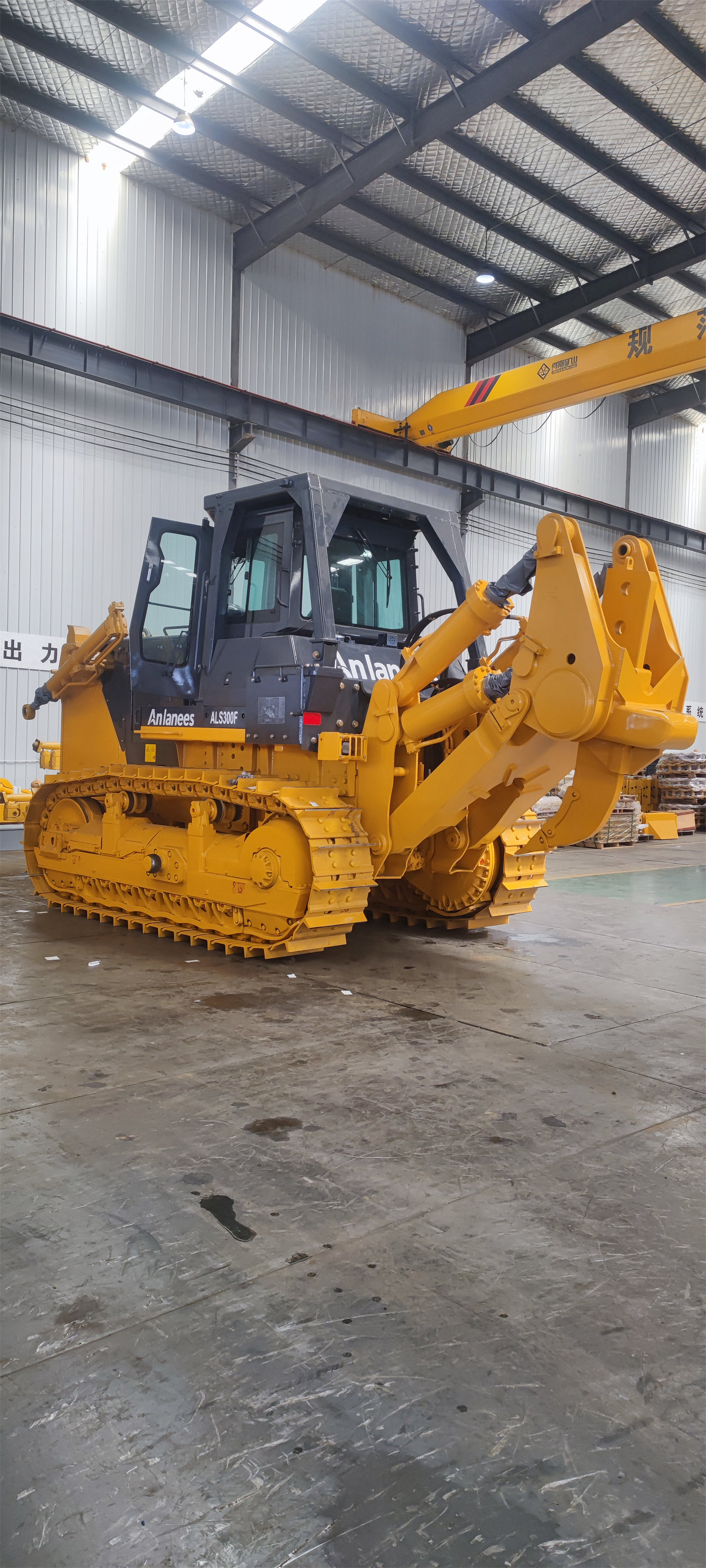
Site flatness, slope, and transfer distance also affect track shoe width and travel system selection. The SD32 standard version information lists track shoe widths of 560/610/660/710 mm, track gauge of 2140 mm, and ground contact length of 3150 mm. Different widths correspond to different ground contact areas and traction characteristics. Which one to choose specifically needs to be confirmed in combination with ground bearing conditions and working methods; it cannot be judged only by the idea that wider tracks are more stable or narrower tracks are more flexible.
Combine material and site into a judgment sequence
An operable sequence is: first confirm whether the pushed object is loose bulk material, hard rock, or mixed earthwork; then confirm whether the site has windblown sand, high temperature, soft ground, or frequent transfers; then compare the blade types, track shoe widths, and protective configurations in the information for each version; finally verify whether basic parameters such as engine power, operating weight, and ground pressure match transportation, site entry, and bearing conditions.
| Judgment dimension | Content to confirm | Corresponding configuration direction in the information |
|---|---|---|
| Material type | Loose bulk material, hard rock, mixed earthwork | Coal version coal blade; rock version rock pushing blade; standard version multiple blade options |
| Site environment | Windblown sand, high temperature, heavy dust, soft ground | Desert version high-position intake and enhanced heat dissipation; soft ground needs separate confirmation |
| Undercarriage and travel | Ground bearing, transfer distance, slope | Track shoe width 560/610/660/710 mm optional |
| Power and weight | Transportation weight limit, site entry road bearing | Operating weight approximately 40 t class; transportation plan needs verification |
The purpose of this sequence is to avoid locking in a certain model first and then adjusting the configuration afterward. When material and site conditions are unclear, the version direction itself cannot be determined. At this point, the items to be confirmed should be listed clearly rather than using the parameter table to infer the application.
The position of parameters in version judgment
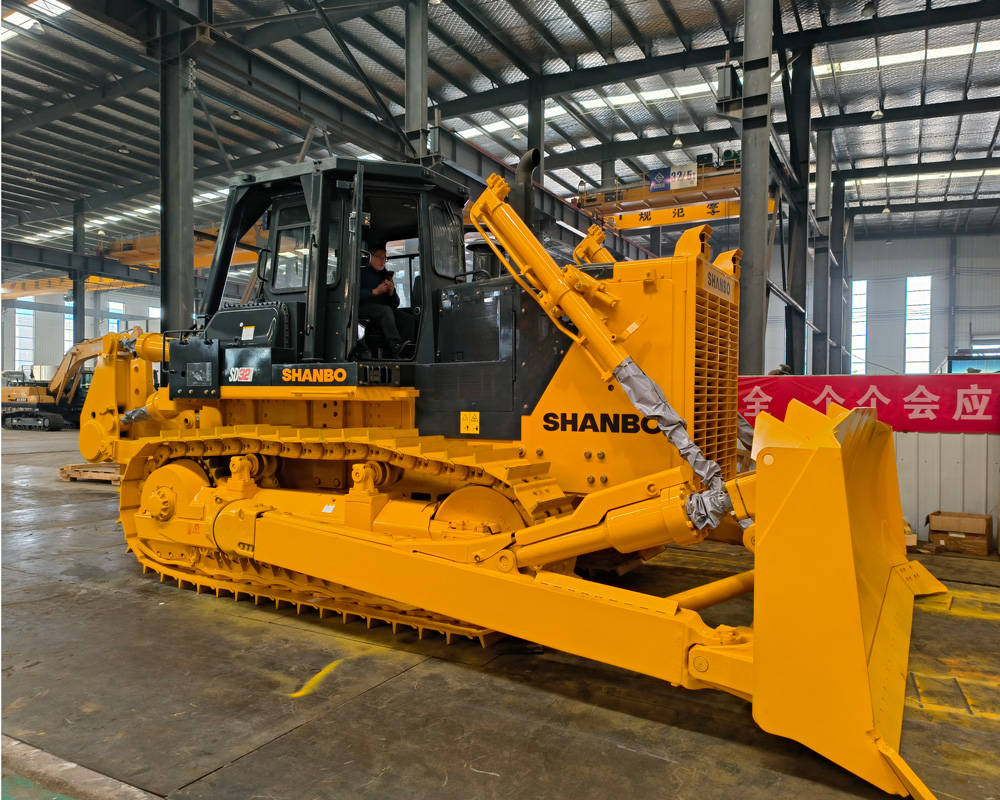
In the SD32 series information, the standard version has a rated power of 258/2000 kW/rpm or 257/2000 kW/rpm, an operating weight of 40200 kg (with single-shank ripper and ROPS), and a ground pressure of 97.7 kPa; the coal version has an operating weight of 40500 kg and a ground pressure of 98.4 kPa; the rock version has an operating weight of 40900 kg and a ground pressure of 99.4 kPa. These values show that different versions differ in weight and ground pressure, but the difference is limited, and ground pressure alone cannot determine whether a certain version is suitable for soft ground or rock working conditions.
Regarding the engine, the information lists the WP12/QSNT-C345 electronically controlled engine, which meets China National Stage III emission standards. Here, "electronically controlled" refers to the engine control method, not pure electric power. This site also has the E22 pure electric dozer, which belongs to a different power type; its power supply and charging conditions need to be confirmed separately and cannot be confused with the fuel models of the SD32 series.
Items still requiring confirmation from the supplier
- Whether the target version is within the currently available configuration range, and whether the blade and ripper combination can be optionally configured as needed.
- The specific applicable material parameters and site conditions of the rock version, coal version, and desert version; the information does not provide quantitative boundaries.
- Whether there is a corresponding undercarriage configuration for soft ground or wetland operations, and whether the ground pressure can meet on-site bearing requirements.
- Transportation dimension and weight limits: the standard version has overall dimensions of 8650×4130×3760 mm, and the coal version has a width of 4755 mm; road conditions need to be verified before transfer.
- The optional status of safety configurations such as FOPS&ROPS, as well as local emission and registration requirements.
Only after the above items are confirmed can the version direction be translated into specific configurations. Parts not covered by the information should be retained as items to be verified, and data from other models or series should not be used as substitutes.