


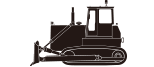
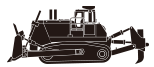














Two dozers both rated at 260 hp may have similar prices, but put one of them in a forest area or on soft, wet ground, and the problem is often not whether power is sufficient, but whether configurations such as cab protection, track width and ground pressure match the working conditions. When horsepower is similar, what really needs to be checked in selection is these differences that are easily hidden by the first row of a specification table.
Same horsepower, why they cannot be directly interchanged
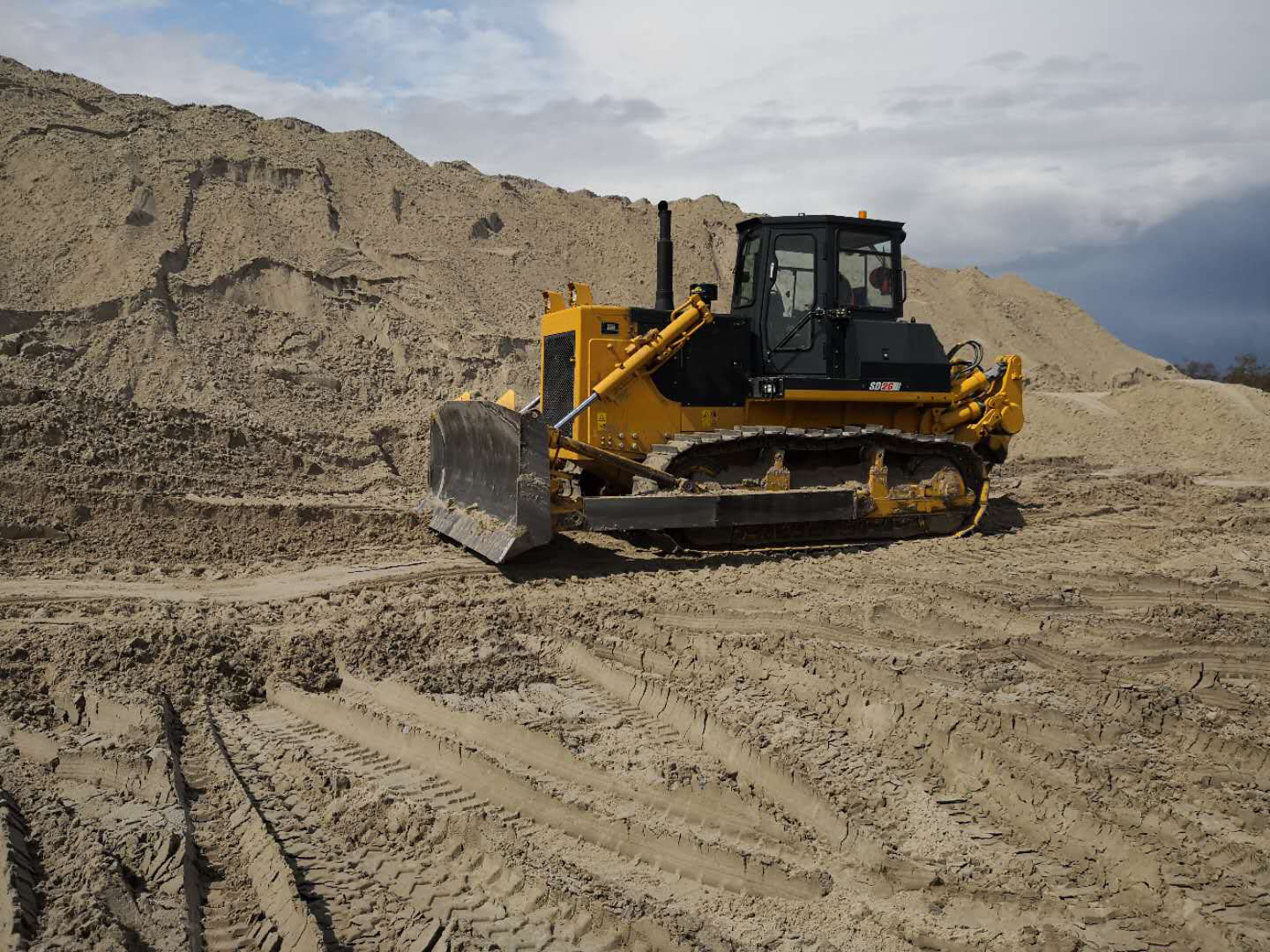
A dozer's power determines the upper limit of its power reserve, but whether the whole machine can work stably on a given site also depends on how weight is distributed to the tracks, what protection the cab provides, and whether the working equipment matches. The Shanbo SD26 series 260 hp dozer covers multiple versions including standard, forestry, wetland, desert, sanitation and rock types. The fact that configurations are differentiated by working condition within the same power class itself shows that "260 hp" is only a starting point, not a complete answer.
The following uses the standard and forestry versions, for which the series has relatively complete data, as examples to list the differences. All values in this article come from product data; items not listed are not inferred.
First, the differences: configuration comparison between standard and forestry versions
| Item | SD26 Standard | SD26F Forestry |
|---|---|---|
| Operating weight | 23450 kg | 24700 kg |
| Ground pressure | 66 kPa | 64 kPa |
| Cab protection | Enclosed cab, optional rollover protection structure | Built-in dedicated logging rollover-protection cab with rain and sun protection structure |
| Track shoe width | 560 / 610 / 660 mm optional | Data specifies 610 mm widened tracks |
| Typical use description | General engineering construction, road construction, site leveling, mining earth and rock work and medium-duty heavy-load operations | Rainforest logging, agricultural and forestry development, log collection and skidding, forest road improvement |
As can be seen from the table, the forestry version is about 1250 kg heavier than the standard version, yet its ground pressure is slightly lower, which is related to the widened tracks and overall machine layout. The two values move in opposite directions, which precisely shows that judgment cannot be made on weight alone or on ground pressure alone.
Cab protection: forest operations cannot rely on optional add-ons
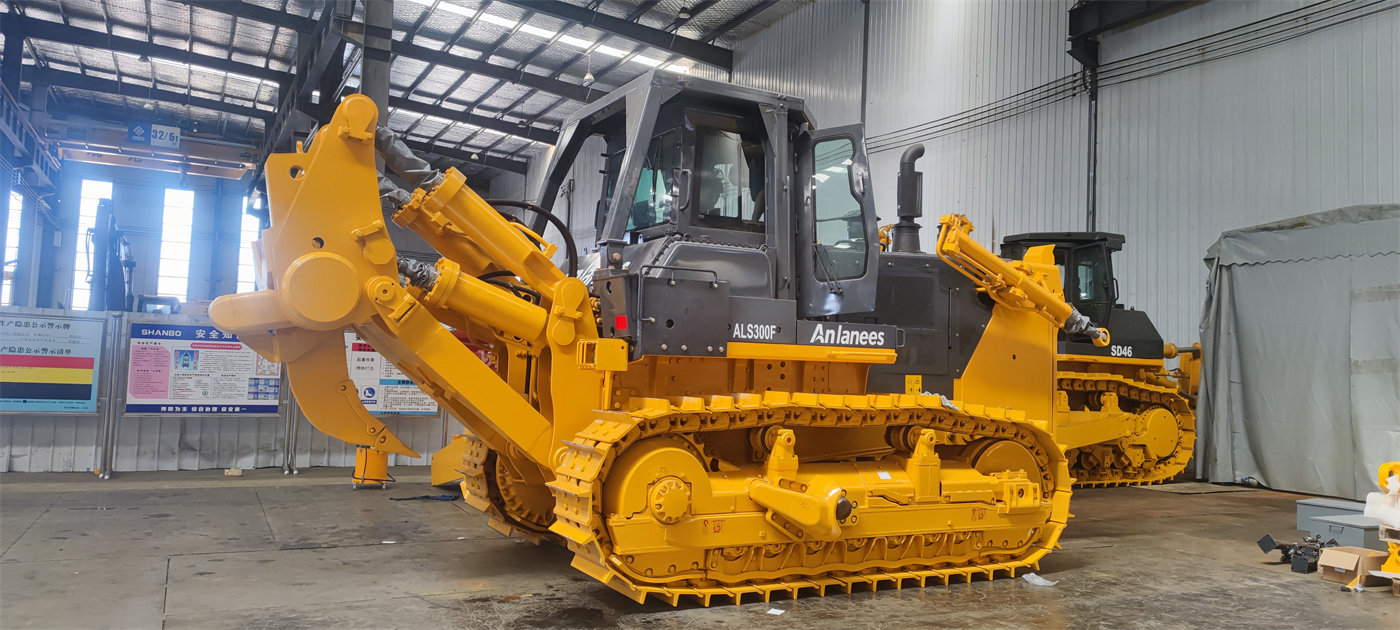
The standard version's enclosed cab focuses on visibility, shock absorption and comfort during long operation, and the rollover protection structure is an optional configuration. The forestry version's logging rollover-protection cab is a built-in dedicated structure with rain and sun protection design. For scenarios such as rainforest logging and forest road improvement where there are risks of falling trees and falling branches, the data describes the forestry version's safety structure as a version characteristic rather than a later add-on. If the working conditions involve forest passage and logging support operations, this difference should be confirmed in advance rather than made up after the equipment arrives.
Track width and ground pressure: soft, wet ground requires looking at the combination
The standard version offers three track shoe widths of 560, 610 and 660 mm, selectable according to ground conditions; the forestry version data explicitly states 610 mm widened tracks. In terms of ground pressure, the standard version is 66 kPa and the forestry version 64 kPa, with the forestry version slightly lower. This means that in soft, wet conditions or where frequent passage through forest land is required, the forestry version's track configuration is more oriented toward reducing pressure on the ground, but the reduction is limited, and it cannot be concluded from this that it is suitable for all soft-foundation sites.
If the site is mainly mud or deep soft foundation, the series also has a wetland version, which the data lists alongside the standard and forestry versions. The specific ground pressure and track configuration of the wetland version are not elaborated in this article's data and need separate verification; the forestry version's 64 kPa cannot be directly applied.
Working equipment and overall weight: supporting items masked by horsepower
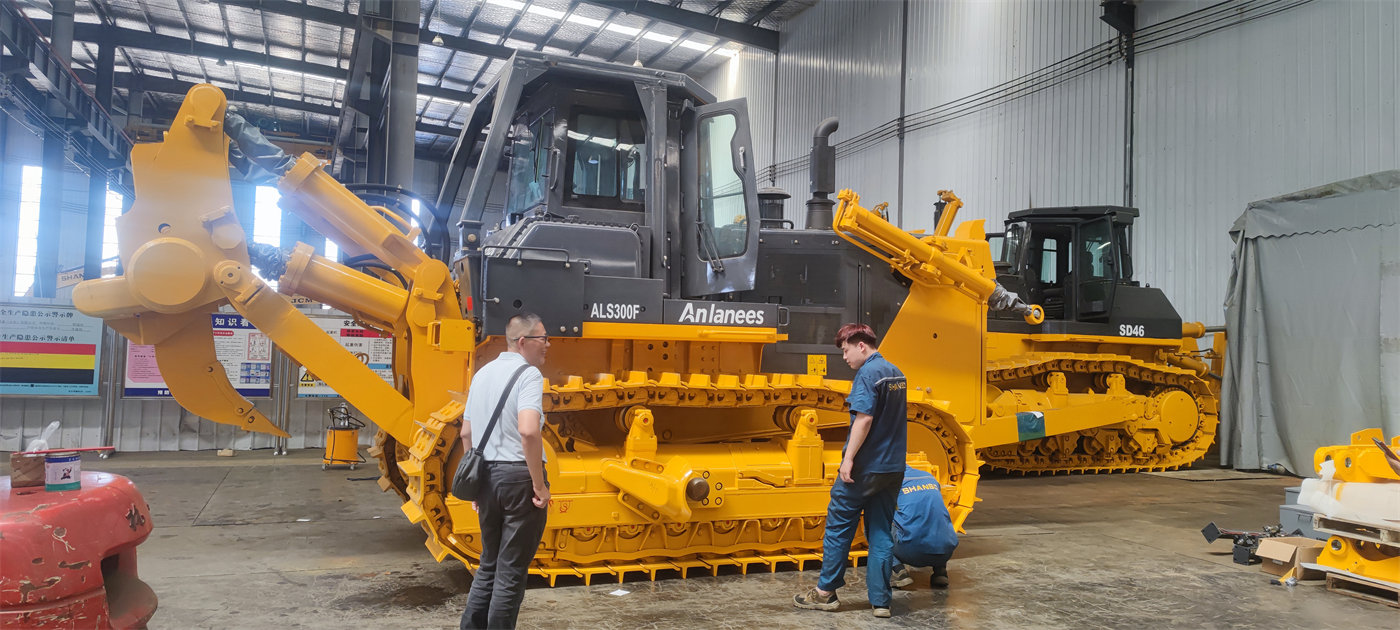
The standard version comes standard with a straight tilt blade with a capacity of 4.6 m³, and can be optionally equipped with an angle blade, U-blade or semi-U blade, as well as a three-shank ripper with a maximum ripping depth of 666 mm. The forestry version's data focuses on the rollover-protection cab, widened tracks and optional mechanical winch, used for log collection and skidding and field self-rescue. The two types of working equipment have different emphases: one is oriented toward earthmoving and site leveling, the other toward forest passage and dragging.
The overall weight difference also affects transport and site entry arrangements. The forestry version at 24700 kg is heavier than the standard version at 23450 kg, so transport vehicles, loading and unloading sites and road bearing capacity need to be rechecked according to the actual weight, and the standard version's transport plan cannot be reused.
Check by working condition, not by horsepower ranking
When horsepower is similar, it is recommended to break the selection question into several verifiable conditions:
- Whether the operation type is earthmoving and site leveling, or forest logging and log skidding;
- Whether the site ground is hard, soft or wet-soft, and whether lower ground pressure is needed;
- Whether there are requirements for cab protection due to falling trees, falling branches, etc.;
- Whether self-rescue or dragging in forest areas is needed, and whether a winch is required;
- Whether the transport route and unloading site can bear the overall weight.
If any one of these items points to forest operations, the standard version, even with a rollover protection structure added, is not equivalent to the forestry version's dedicated rollover-protection cab structure; conversely, whether the forestry version's widened tracks and extra weight bring additional burden on ordinary earthmoving sites also needs to be judged in light of transport and transfer conditions. The data does not provide comparative data on the specific earthmoving efficiency of the two versions, so it cannot be concluded that "either one is the same" merely because the horsepower is the same.
Matters still to be confirmed
The ground pressure, track width and operating weight cited in this article are all values listed in the data, and actual configurations may vary with optional parts and batches. Before purchase, confirm with the supplier: the specific track shoe width of the selected version, whether a ripper or winch is included, the form of the rollover protection structure, and the transport dimensions and weight. If the working condition falls under wetland, desert or other versions, the parameters for the corresponding version must be obtained separately and cannot be replaced by the data for the standard or forestry version.