






















In procurement discussions for electric bulldozers, battery capacity is often the first comparison item: does a larger capacity mean longer shifts can be worked? This intuition has some merit, but it is not sufficient. Whether shifts can be scheduled depends on the combined effect of continuous operation energy consumption, charging windows, on-site power supply conditions, and work organization. This article uses the publicly available information on our E22 pure electric medium bulldozer as a reference to explain the relationship between battery capacity and shift scheduling that needs to be examined separately, and the conditions that should be verified before purchase.
First, understand the role of battery capacity in shift planning
Battery capacity is the equipment's energy reserve, not equivalent to continuous operation duration. With the same battery, pushing loose material and clearing hard ground can differ greatly in energy consumption; under heavy-load pushing conditions, motor output is higher and power consumption is faster. The battery pack given in the E22 specifications is a 614.2V, 690Ah, 423.94kWh lithium iron phosphate battery, equipped with an intelligent BMS management system. These figures indicate a large energy reserve, but do not provide energy consumption per unit time or endurance duration, so they cannot be directly converted into "how many hours of continuous operation."
What shift scheduling really needs to answer is: how long the equipment needs to work within a shift, whether the time between two charges can cover this operating period, and whether charging time will affect the next shift. Battery capacity is only one part of these three questions.
Recharging method determines the connection between shifts
A large part of the difference in work organization between electric bulldozers and traditional fuel bulldozers lies in the recharging process. Fuel equipment refuels quickly, while electric equipment requires charging time to be incorporated into scheduling. E22 specifications show that this model supports 2×300kW battery interfaces, 2×250A DC fast charging, 2×400kW DC discharging, and multiple auxiliary power supplies for battery heating and stable low-voltage circuit operation. These configurations indicate that it has fast-charging interfaces and multiple battery interfaces, but the specifications do not provide specific charging times or endurance data.
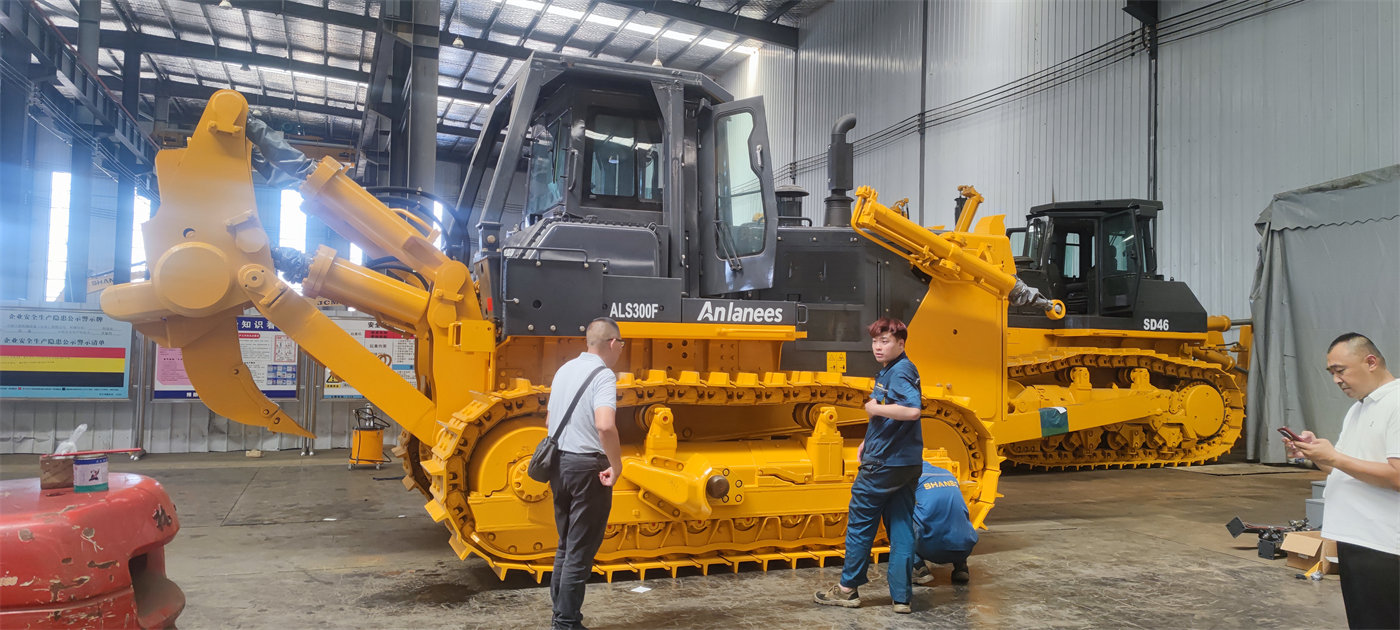
Therefore, shift scheduling must first confirm two things: whether the construction site can provide power supply capacity matching the fast-charging interfaces, and whether the location of charging piles or power supply facilities is convenient for the equipment to return for recharging between shifts. If the charging point is far from the work face, travel time must also be included in shift planning.
Working conditions affect the pace of power consumption
The E22 is driven by a 200kW (272HP) permanent magnet synchronous motor with a stable torque of 200Nm; the hydraulic system is independently driven by a 50kW (68HP) permanent magnet synchronous hydraulic motor. The application scenarios given in the specifications include urban municipal construction, environmental protection projects, green mining operations, and indoor low-noise demolition projects with strict low-carbon requirements. Load characteristics differ across scenarios, and the pace of power consumption will also differ.
During shift planning, work tasks can be roughly layered by load: light-load pushing, heavy-load pushing, ripping operations, site clearing, etc. The heavier the load and the longer the continuous operation time, the higher the requirement for battery capacity; if the operation involves frequent starts and stops or long idling, the energy consumption structure will also change. Since the specifications do not provide energy consumption data under various working conditions, this should be requested from the manufacturer or confirmed through actual measurement before purchase.
Impact of ambient temperature and thermal management on usable capacity
The usable capacity of a battery is affected by temperature, a variable that cannot be ignored in scheduling electric equipment. E22 specifications mention an integrated full thermal management system, including an 8kW compressor TMS cooling system, a 2.5kW fresh air cooling system, and a 10kW electronically controlled air conditioner; the liquid cooling system uses a 45kW plate-fin radiator and a 400W PWM water pump to keep the battery and motor operating at optimal temperature; the specifications also state that it can operate stably in extremely high and low temperature regions. However, these descriptions do not provide capacity retention rates or energy consumption changes at different temperatures.
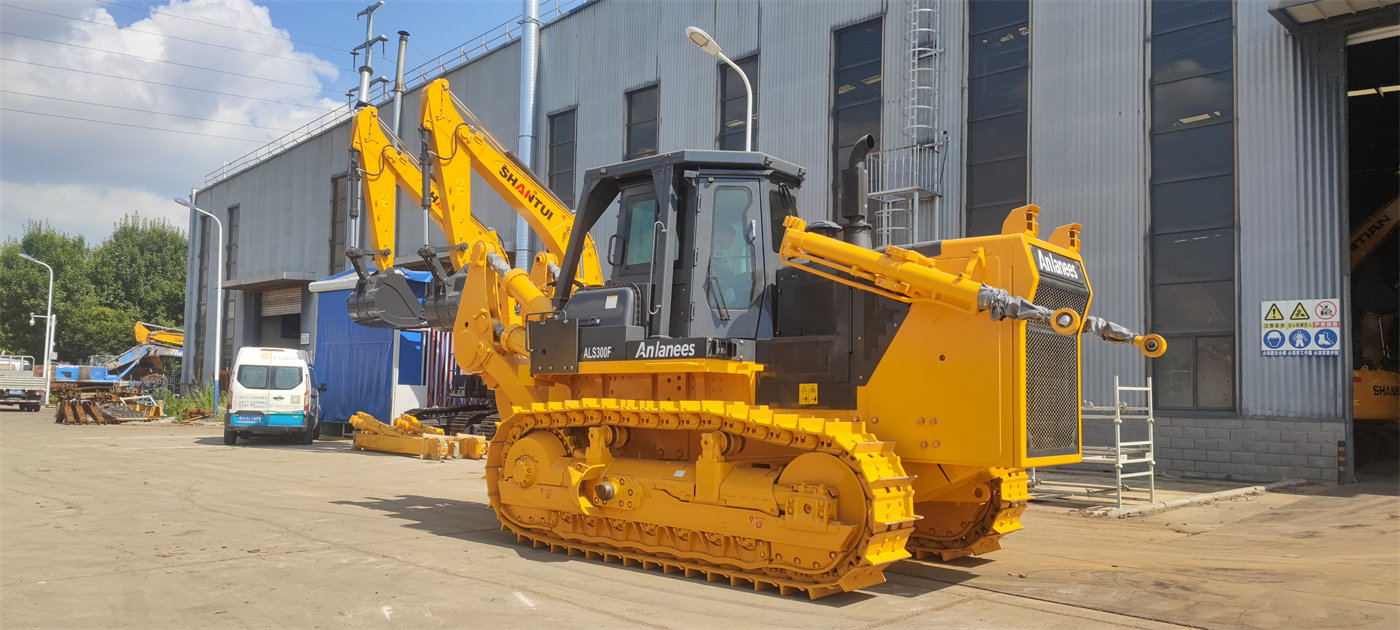
If the construction site is located in an area with high temperatures, severe cold, or large temperature differences, shift scheduling should leave a margin, and before purchase, the manufacturer should be asked to confirm the actual usable capacity and thermal management power consumption of this model at the target ambient temperature. The thermal management system itself also consumes power, which should be included when estimating continuous operation duration.
Checklist for shift scheduling
When considering battery capacity together with shift scheduling, the following conditions are recommended to be confirmed item by item:
- The planned effective operating duration per shift and the interval between shifts;
- Whether the on-site power supply capacity can meet the input requirements of 2×250A DC fast charging, and whether the power distribution facilities are in place;
- The distance between the charging point and the work face, and the time occupied by travel for recharging;
- The load characteristics of the target working conditions, and whether they involve heavy-load continuous pushing;
- The operating ambient temperature range and the energy consumption impact of the thermal management system;
- Whether backup equipment or shift-change plans are available to address conflicts between charging windows and work pace;
- Warranty conditions, maintenance requirements, and replacement cycle of the battery pack.
Among these conditions, power supply capacity and charging facilities are on-site constraints that need to be confirmed jointly by the construction party and the power supplier before purchase; energy consumption and temperature data are parts not fully provided in the product specifications and should be requested in writing from the manufacturer.
When the electric solution needs to be re-evaluated
The advantage of electric bulldozers lies in zero emissions and low noise, and the E22 specifications also position it as a model suitable for urban and green mining construction sites. However, if the site cannot provide stable charging conditions, or if work shifts are highly continuous and recharging windows are very short, battery capacity alone cannot solve the scheduling problem, and the power solution needs to be re-evaluated. In this case, fuel bulldozers can be used as a reference option, but the energy consumption and recharging structures of the two types of equipment are different and cannot be directly converted by horsepower.
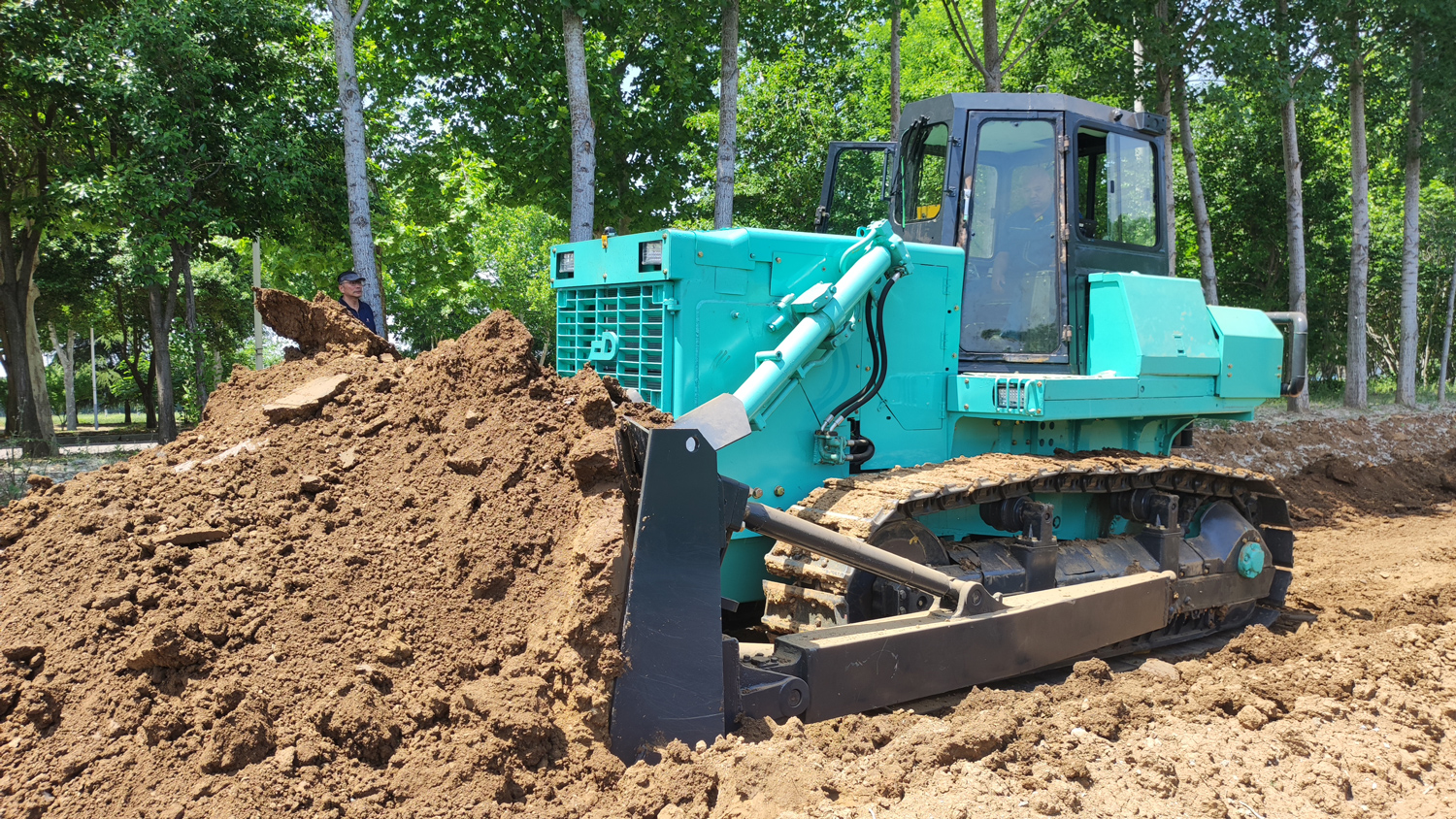
In addition, if the work site requires frequent relocation over long distances, the mobile arrangement of charging facilities will also become an additional constraint. These situations should be raised at the selection stage, rather than adjusted after the equipment arrives on site.
Site information to provide when requesting a quotation
When consulting manufacturers or dealers about electric bulldozers, it is recommended to provide the following information so that they can judge whether battery capacity and shift scheduling match: material type and condition, site conditions and work face layout, planned operating duration per shift and number of shifts, on-site power supply capacity and charging facility conditions, target operating ambient temperature, and whether attachments such as rippers are needed. The more specific this information is, the more helpful it is to evaluate battery capacity in actual shift scenarios rather than staying at parameter comparison.
It should be noted that the E22 parameters cited in this article all come from our product specifications, which do not provide endurance duration, charging time, or energy consumption data under different working conditions. Conclusions regarding whether specific shifts can be met must be based on supplementary data provided by the manufacturer or actual on-site measurements.